Logic Loft Blog
Game Guides
6 articles
Most people never actually read the rules to the games they play most. They learn Scrabble from a parent, Sudoku from a puzzle book's half-page of instructions, Wordle from watching a green-and-yellow grid appear in a group chat. That is a perfectly good way to learn a game, and it is also how a house rule quietly becomes a real rule in someone's head — the "you can't play a word that isn't in the physical dictionary on the shelf" kind of thing that half of Scrabble players believe and the official rules never actually say. A rulebook is precise. The way rules get passed from person to person is not, and the gap between those two things is where most of the confusion people have about these games actually lives.
That gap is what a guide is for, and it is also where most guides fail. A guide that just restates the rulebook in plainer English is not especially useful — you could read the rulebook. A guide that is actually worth reading tells you what beginners consistently get wrong, which is a different and harder thing to write, because it requires having watched people play badly and noticed the pattern. It also says the quiet part the rules leave out: that Sudoku's rules fit on an index card but do not mention any of the actual scanning techniques you need to solve one without guessing, that Wordle's letter-frequency logic rewards a specific kind of opening word the app itself never tells you to look for, that Spelling Bee's "must contain the center letter" constraint changes which words are even worth considering before you have written a single one down. The rule and the skill are not the same thing, and a good guide covers both.
The social-learning part matters more than people give it credit for. Because these games get taught around a kitchen table or a phone screen rather than read from a manual, house rules spread the same way folk etymology does — confidently, and usually wrong in some small but real way. Families disagree about whether proper nouns are allowed in Scrabble. Sudoku solvers invent their own vocabulary for techniques that already have standard names. Wordle players argue about whether the starting word matters at all, when the honest answer is that it matters less than people think but not zero. None of this is anyone's fault. It is just what happens when a game's real rules live in a document nobody reads and its practiced rules live in whatever the last person who taught you happened to believe.
We write this hub because explaining a game well is a specific craft, not a byproduct of knowing how to play it, and it happens to be one we practice daily from both directions. We build word and puzzle games for a living, which means we spend a lot of time thinking about what a rule actually needs to say versus what a player will infer anyway. We also read a great many rulebooks for a living, across genres far outside our own titles, because understanding how another designer chose to explain their game is the fastest way to get better at explaining ours. That combination is the whole approach here: rules stated plainly, the beginner mistakes named honestly, and the unwritten conventions — the house rules — flagged as exactly that instead of presented as if they came from the rulebook.
The guides below cover four of the games people search for most: the letter-guessing logic behind Wordle and how much the opening word really matters, Scrabble's actual scoring and placement rules alongside the dictionary disputes that cause most arguments, the row-column-box logic that makes Sudoku solvable without guesswork, and the specific constraints — the required center letter, the pangram bonus — that make Spelling Bee its own kind of puzzle rather than a plain anagram game. Start with whichever one you have been playing on inherited rules.

Pairdle Hunt: How to Play and the Math of Hidden Words
Pairdle Hunt is Logic Loft's new word-hunt game, coming soon to iOS and Android. How to play, how scoring works, and how many words hide in one grid.
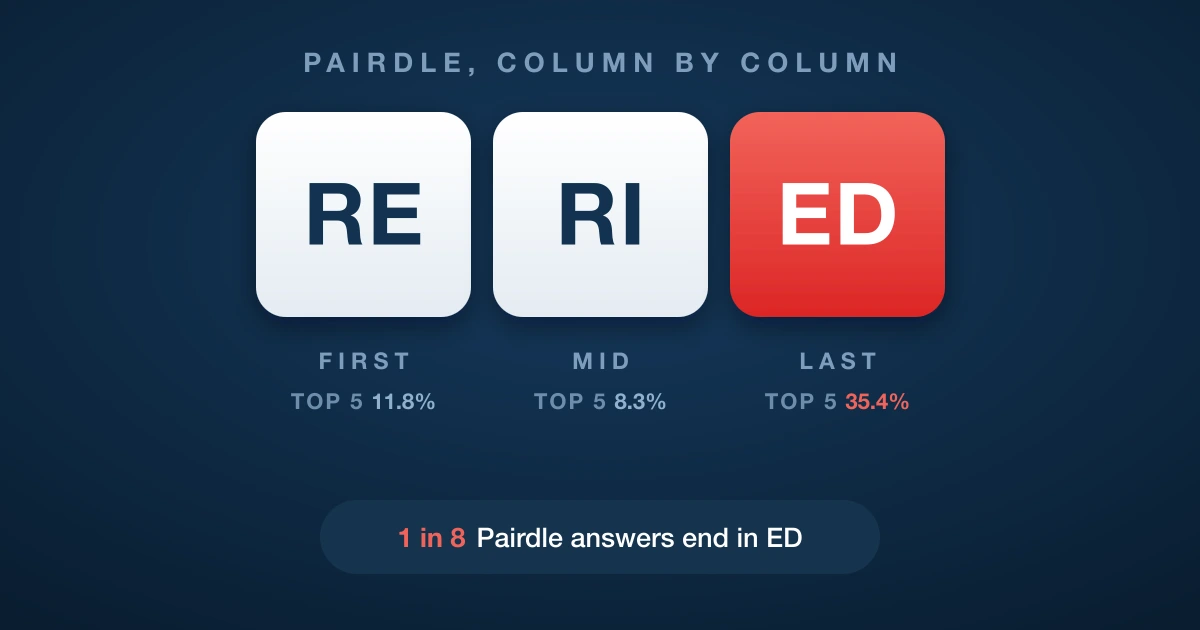
How to Master Pairdle, Column by Column
I counted the letter pairs in every Pairdle answer we've ever scheduled. The three columns are nothing alike — and the last one is barely a guess at all.
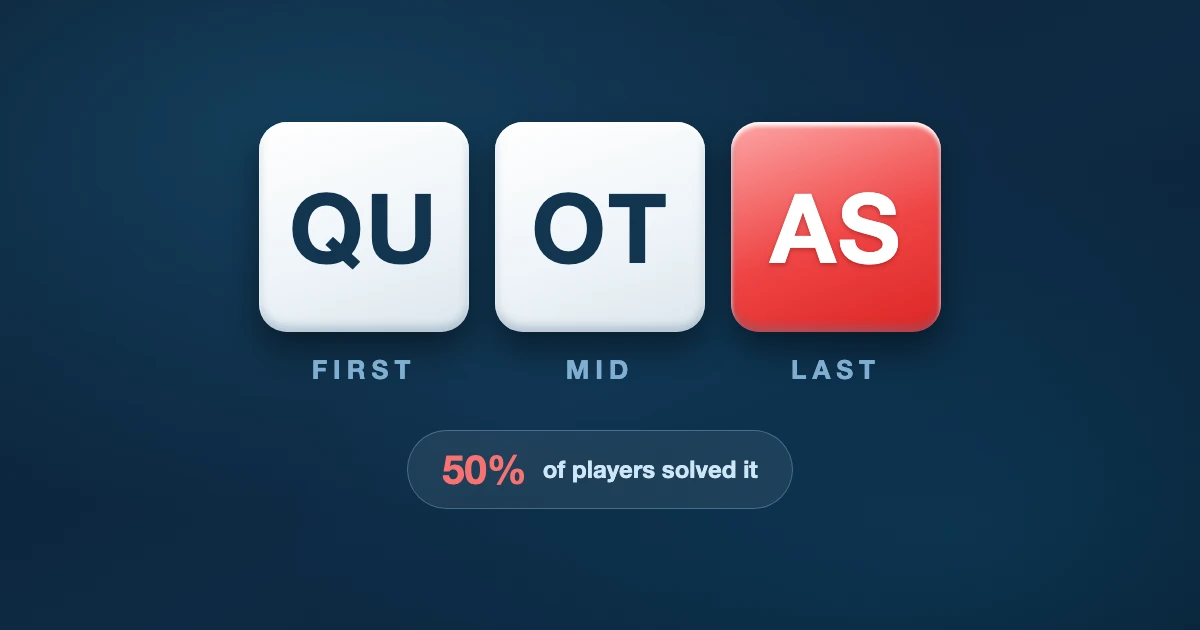
The 10 Hardest Pairdle Puzzles, According to Player Data
We pulled real player results to rank the hardest Pairdle puzzles ever — then dug into each day's letter-pair pool to figure out exactly why they hurt.
Pairdle Is More Than Guessing: A Pen-and-Paper Solve Diary
A reader's real-time diary of solving Pairdle with pen, paper, and three handwritten columns — including the note-taking mistake that cost her a one-guess win.
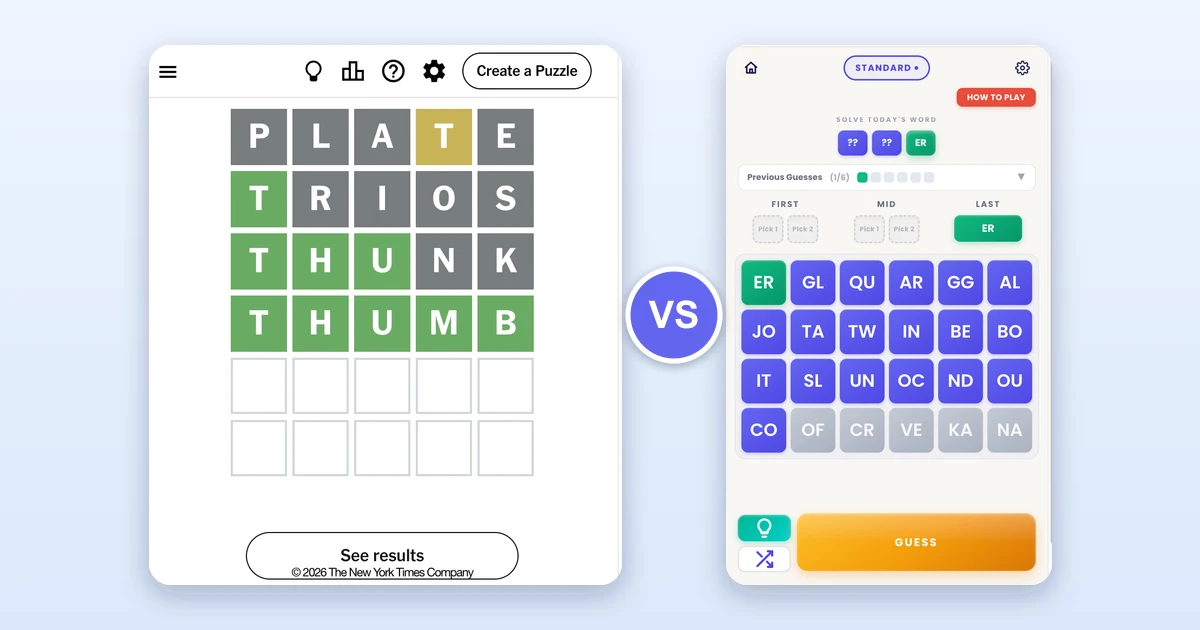
Pairdle vs. Wordle: What's the Difference?
Both are daily word puzzles solved by deduction — but Pairdle and Wordle play very differently. Here's an honest side-by-side from the team behind Pairdle.
5 Strategies to Get Better at Pairdle (From the Team That Built It)
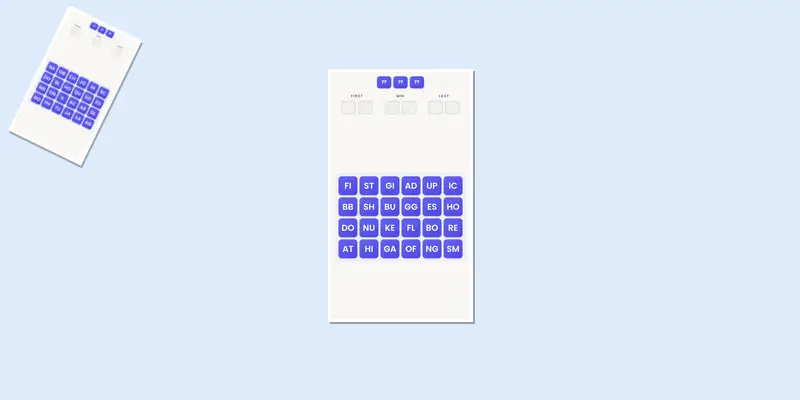
Struggling to crack today's Pairdle? Here are five strategies from the team behind the game — from reading letter pairs like a pro to the elimination technique that makes Championship mode beatable.