Logic Loft Blog
Match-3 & Casual Puzzles
3 articles
Every match-3 game teaches you the same rule in the first ten seconds: swap two adjacent tiles, line up three of a kind, watch them disappear. It takes about that long to learn and a lifetime to get tired of, which is easy to miss if you only ever see the genre from the outside. Dismissed as filler, as something you play half-attention on a train, match-3 gets written off more than almost any other puzzle format — and it deserves better, because the mechanic underneath the surface is doing something genuinely clever.
The clearing is not the interesting part. The interesting part is what happens after: the tiles above the gap fall to fill it, new ones drop in from the top, and if the new arrangement lines up a match of its own, that clears too, and drops more tiles, and so on. That chain — the cascade — is the actual engine of the genre. A single swap can resolve instantly and net you almost nothing, or it can trigger four, five, six consecutive clears you could not have predicted, because the tiles that fall in are new information the moment they land. That unpredictability is not noise around the mechanic; it is the mechanic. A variable, unearned-feeling reward from one deliberate action is what makes a three-tile swap feel like it might be worth far more than three tiles, and it is a large part of why the format has survived so many reskins without losing its pull.
That said, match-3 has a real skill ceiling, and it shows up in exactly the place beginners do not think to look. New players scan a board left to right, top to bottom, taking the first match they see. Stronger players read the board from the bottom up instead, because a clear low on the board can cause everything above it to fall and re-trigger, while the identical match near the top just clears itself and stops there. Reading for cascade potential rather than grabbing the nearest match is the single biggest jump between a casual player and someone genuinely good at this, and it is almost never explained to newcomers, who assume the whole thing is closer to luck than it really is.
The genre has also changed shape over time. Early match-3 was pure score-attack — clear tiles, rack up points, beat your own high score, with no real finish line. Modern entries have mostly moved to objective-based levels instead: clear this many jelly tiles in this many moves, free the caged item, hit a score threshold before you run out of turns. That shift changes what skill even means in the genre. Score-attack rewards raw cascade-chasing; objective levels reward planning several moves ahead toward a specific board state, a different and arguably harder task. Worth saying plainly, too, because a reader deciding what to install deserves to know: the genre is dominated by an energy-and-lives monetisation model, where a limited number of attempts refills slowly on its own or gets topped up by ads or real money. That is not unique to any one title here, and it shapes the actual experience of playing more than any individual level design choice does.
Bejeweled, from PopCap in 2001, is where the modern version of this mechanic effectively starts, and most of what followed is still working from its template. Candy Crush Saga, from King in 2012, took that formula mainstream at a scale the genre had not seen before and set the level-and-lives structure that still dominates it. Puzzle & Dragons and the match-3-plus-RPG hybrids it inspired show the mechanic bolted onto something else entirely — party-building, stats, turn-based combat — and still working, which says something about how load-bearing the swap-and-cascade loop really is. Our own Word Slots Adventures sits adjacent to this space in the broader casual-puzzle world, though it is a genuinely different mechanic — a word game built around a spinning reel, not a grid of swappable tiles — worth knowing about for that reason rather than as a match-3 substitute.
The article below ranks the match-3 and casual puzzle games worth playing in 2026, with an eye on exactly this: how well a given title uses the cascade, how fair its monetisation is to a player who is not spending, and whether its levels ask anything of you beyond patience and a full set of lives.
Smash Fest: Much More Fun Than I Expected
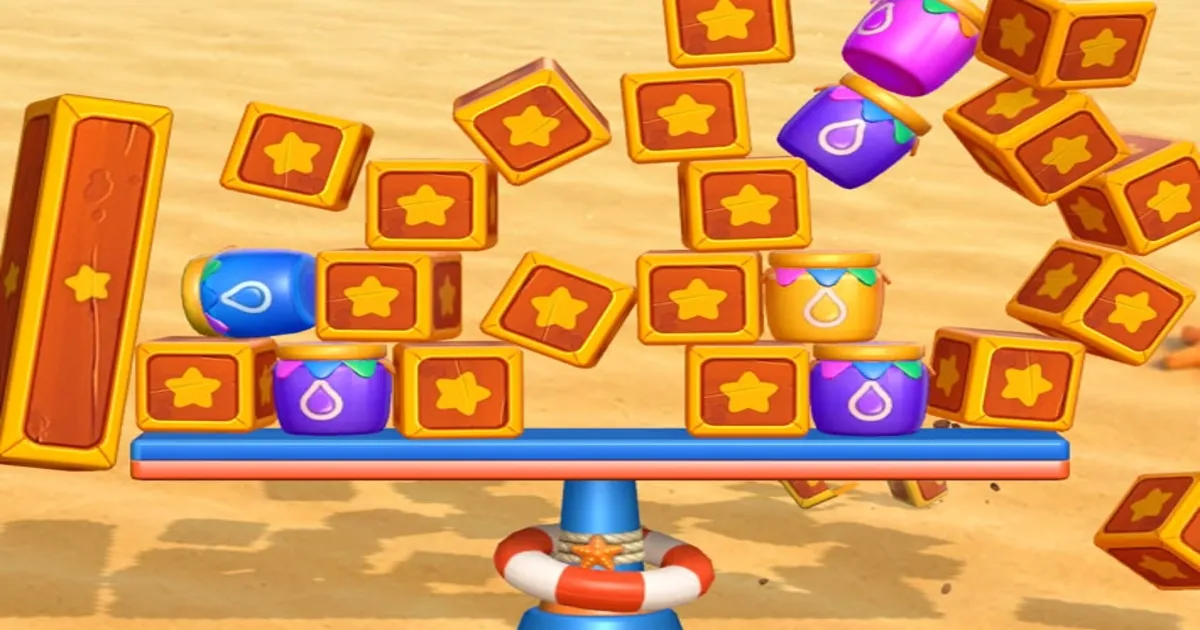
A cannon, a limited supply of balls and a pile of blocks balanced on a beach platform — a game that looked like pure hit-and-hope turned out to have real aim to it.

Fluffy Drop: A Gentle, Modern Take on an Old Favourite
A maze-like board, brightly coloured fluffy characters and numbered spaces to fill — a casual puzzler gentle enough to play while winding down for bed.
The 10 Best Match-3 and Casual Puzzle Games in 2026
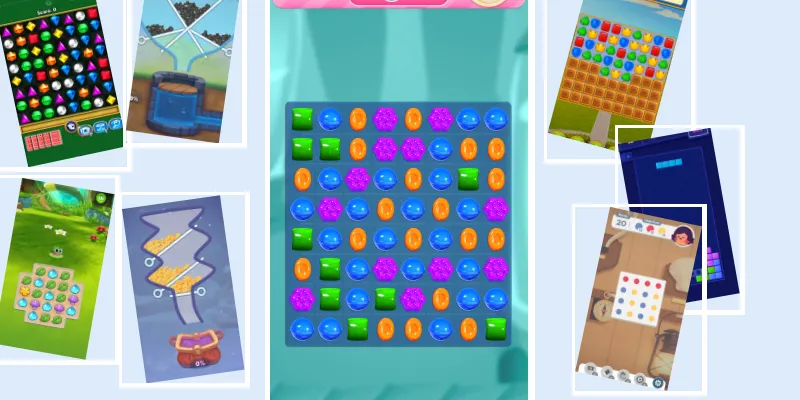
From Candy Crush to Bejeweled to indie gems, these are the 10 best match-3 and casual puzzle games — the genre that quietly became the biggest in gaming.