Logic Loft Blog
Word Game World
3 articles
Word games did not used to share a shelf. A crossword sat next to the arts pages, Scrabble sat in a box on top of a closet, and a jumble puzzle sat at the back of the newspaper next to the comics. Then, in late 2021, a browser toy called Wordle put a single word puzzle in front of millions of people at the same time, once a day, with nothing to buy and nothing to unlock, and the whole category suddenly looked like one thing. Josh Wardle built it for his partner; the New York Times bought it the following year, in 2022, and the daily-word format stopped being a novelty and became the default shape of the genre.
The interesting question is not that Wordle was popular. It is why the format — one puzzle, once a day, the same puzzle for everyone — beat the alternative every app store had been offering for a decade: unlimited levels, play as many as you want, right now. Infinite content sounds like more value. In practice it removes the two things that make a puzzle worth talking about. A shared puzzle gives a room full of strangers something they solved on the same evening, in the same number of guesses, which is a conversation an infinite level pack can never produce, because no two players are ever on the same one. And a single daily puzzle gives you a stopping point. You solve it, or you do not, and then you are done until tomorrow — which turns out to matter as much as more content would, because a game that never runs out never gives you the satisfaction of finishing it either.
None of this arrived from nowhere. The crossword is older than radio: Arthur Wynne published the first one in the New York World in 1913, as a holiday filler feature readers refused to let the paper drop. Scrabble took decades to catch on — invented in the 1930s, it did not become a commercial hit until the late 1940s and into the 1950s, once a retailer noticed people carrying the board game into vacation rentals. Both are close to a century of proof that people will return, unprompted, to a puzzle built entirely out of letters. The daily digital word game is a new delivery mechanism for an old appetite, not a new appetite.
It also helps to stop treating "word game" as one category, because the mechanics underneath are genuinely different disciplines. Vocabulary games test what you know — a crossword clue, a themed trivia round, anything where the win condition is recalling the right word. Deduction games test something else entirely: Wordle, and games like our own Pairdle, do not ask you to know a word, they ask you to narrow one down from feedback, which is closer to a logic puzzle wearing a word puzzle's clothes. Spatial and tile games are a third family again — Boggle, Scrabble, anything where the letters are fixed in a grid or a rack and the puzzle is what you can physically build from them, including the sliding and pairing mechanics behind our own Pairdle Slide. Treating all three as interchangeable is why "just add a word game" briefs so often produce something that does not fit any of them well; the useful starting question is which of the three you are actually building.
The pieces below go in both directions. One is a direct comparison of Pairdle against Wordle — where the mechanics genuinely diverge and where the resemblance is only surface-level. The other steps back further, into the broader landscape of genres a mobile word or puzzle game can fall into, and how to tell them apart before you build one.
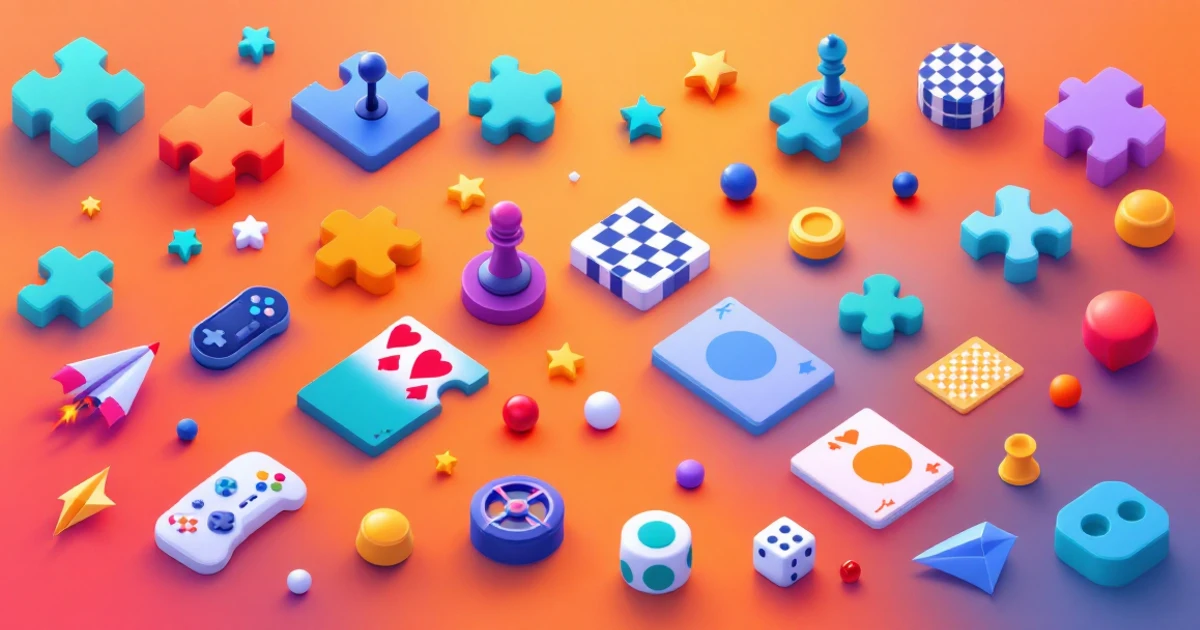
The Mobile Gaming Landscape: Every Major Genre, Explained
From puzzle to shooter, slots to strategy — a founder's field guide to the 14 genres that make up mobile gaming today, with the games worth trying in each.
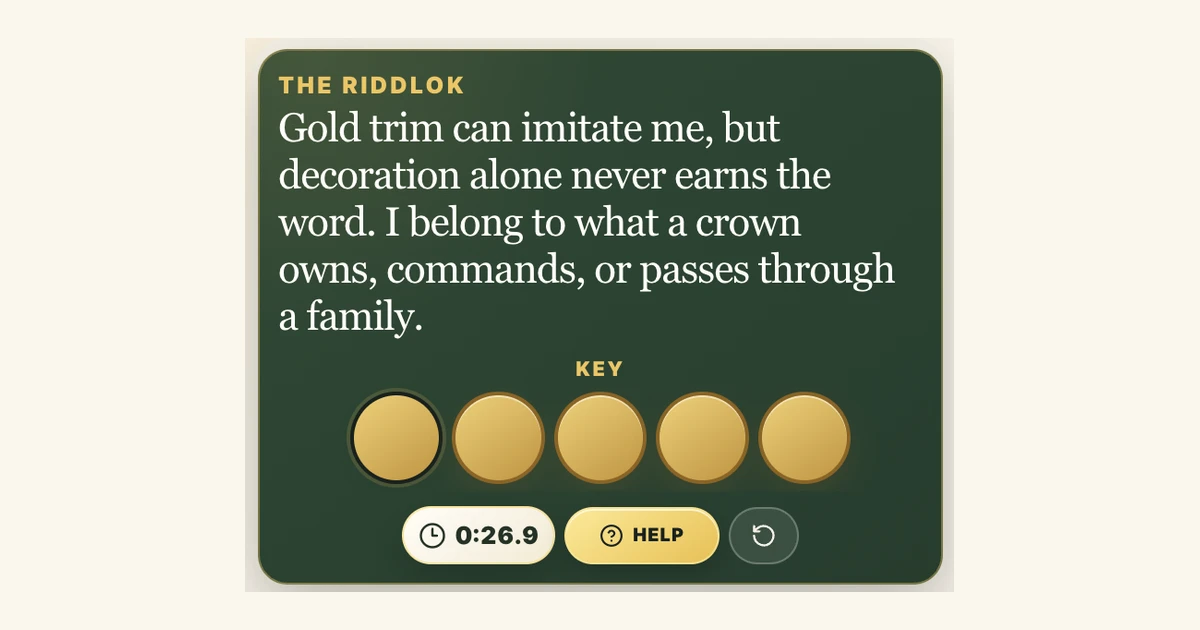
How to Play Riddlok - Exciting new puzzle game!
Riddlok is a free daily word puzzle with three routes to one answer — a riddle, a set of clues, and a hidden theme linking the clue answers.
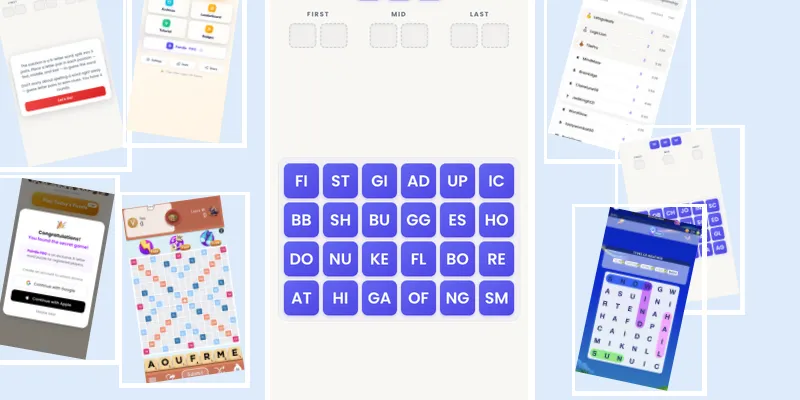
The Most Common Letter Pairs in English (And What They Reveal About How We Read)
Which two-letter combinations appear most often in English? We analyzed thousands of six-letter words to find out — and the results explain why some Pairdle puzzles feel easier than others.