
Not all puzzle games are created equal. Some train real cognitive skills: memory, processing speed, attention. Others are works of art disguised as games, and they ask for a kind of thinking you did not know you had. The best ones leave you a little sharper than you started.
This list spans both worlds: the science-adjacent brain training apps you open on your commute and the acclaimed puzzle games that have permanently changed how developers think about design. Ordered by cultural significance.
Nobody pays to be on this list, and we earn nothing when you click through to a game. Read how we choose and review games.
1. Portal
Developer: Valve | Released: 2007
Platforms: PC, Mac, Linux, PlayStation 3, Xbox 360
Difficulty: Moderate | Price: $9.99 (frequently under $2 on Steam sales)
Where to play: Website
Valve's first-person puzzle game puts you in a sterile test facility holding a gun that creates linked portals in space. The idea is simple and the results are mind-warping. You learn to think in terms of momentum, geometry and spatial relationships the human brain was never built for. The AI antagonist GLaDOS delivers darkly comic narration as she guides you toward a promised reward you will never receive.
Portal invented a genre. It showed that a puzzle game could carry a full story and become a cultural object rather than a pastime.
Pop culture: "The cake is a lie" became one of the most quoted gaming memes of the 2000s. The theme song "Still Alive" by Jonathan Coulton went viral before viral music was a mechanism. Portal 2 (2011) is widely considered one of the greatest games ever made.
2. Chess.com
Developer: Chess.com, Inc. | Released: 2007
Platforms: Web, iOS, Android
Difficulty: Infinite | Price: Free (Diamond membership ~$14.99/month)
Where to play: Website · App Store · Google Play
Chess.com didn't invent chess. It made chess relevant again for an entire generation. Over 200 million registered members, daily puzzles, lessons, AI opponents at every level, and live tournaments turned chess from a solitary board game into a spectator sport.
After Netflix's "The Queen's Gambit" released in October 2020, Chess.com reported a 500% spike in new sign-ups and added roughly 2.8 million new accounts in a single month. Chess is 1,500 years old. Chess.com made it trend on Twitter.
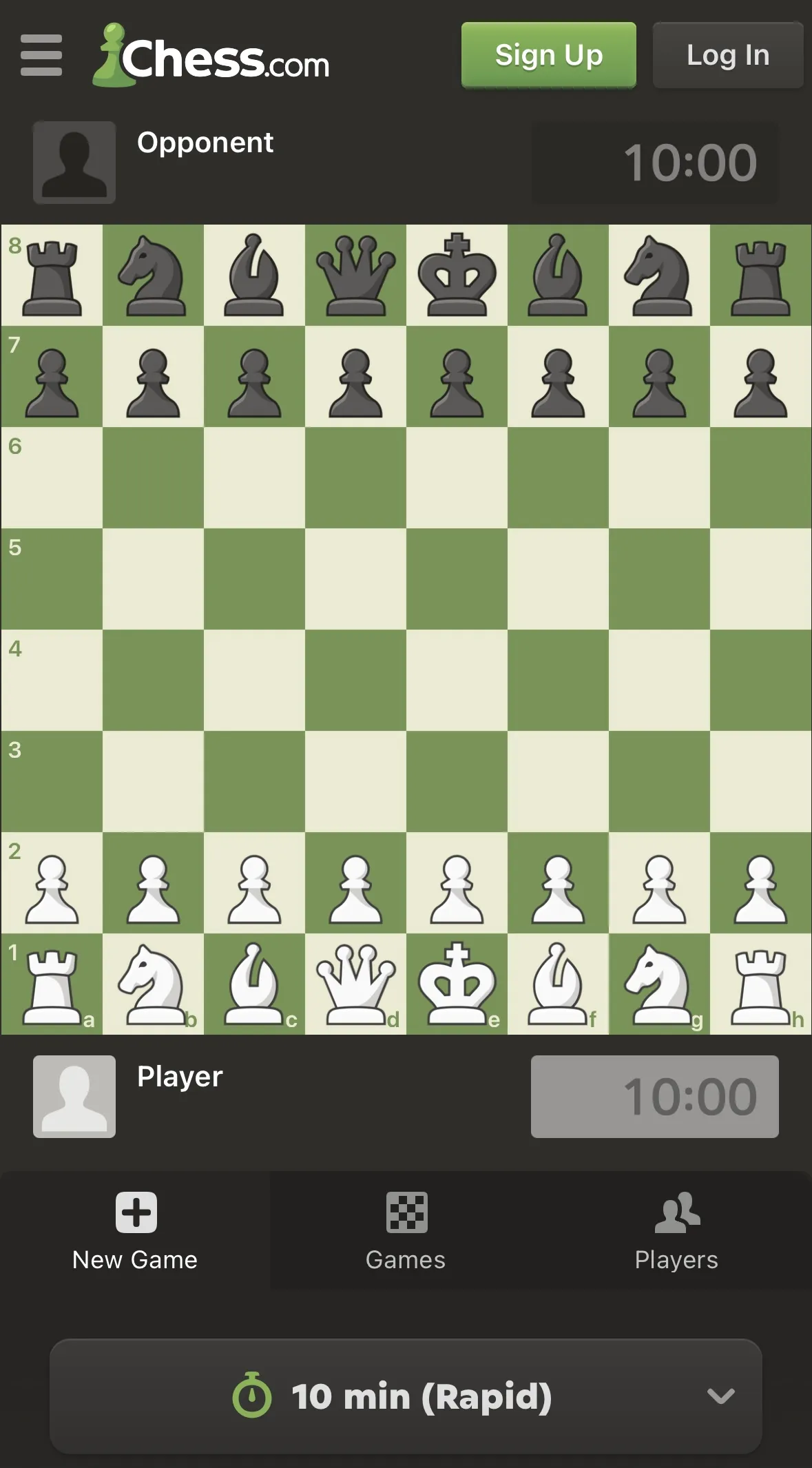
Screenshot: Chess.com.
3. Brain Age: Train Your Brain in Minutes a Day!
Developer: Nintendo (with neuroscientist Dr. Ryuta Kawashima) | Released: 2005 (Japan), 2006 (US)
Platforms: Nintendo DS
Difficulty: Accessible | Price: Originally $19.99
Before brain training was an app category, it was a Nintendo cartridge. Dr. Kawashima's floating 3D head guided players through arithmetic drills, reading exercises and memory tasks, generating a "Brain Age" score that players competed to lower. The game sold over 19 million copies worldwide.
Brain Age started the modern brain training genre. Lumosity, Peak and Elevate all exist because Brain Age made it normal to treat brain exercise as entertainment. It brought in an enormous non-traditional gaming audience, particularly adults aged 40 and above.
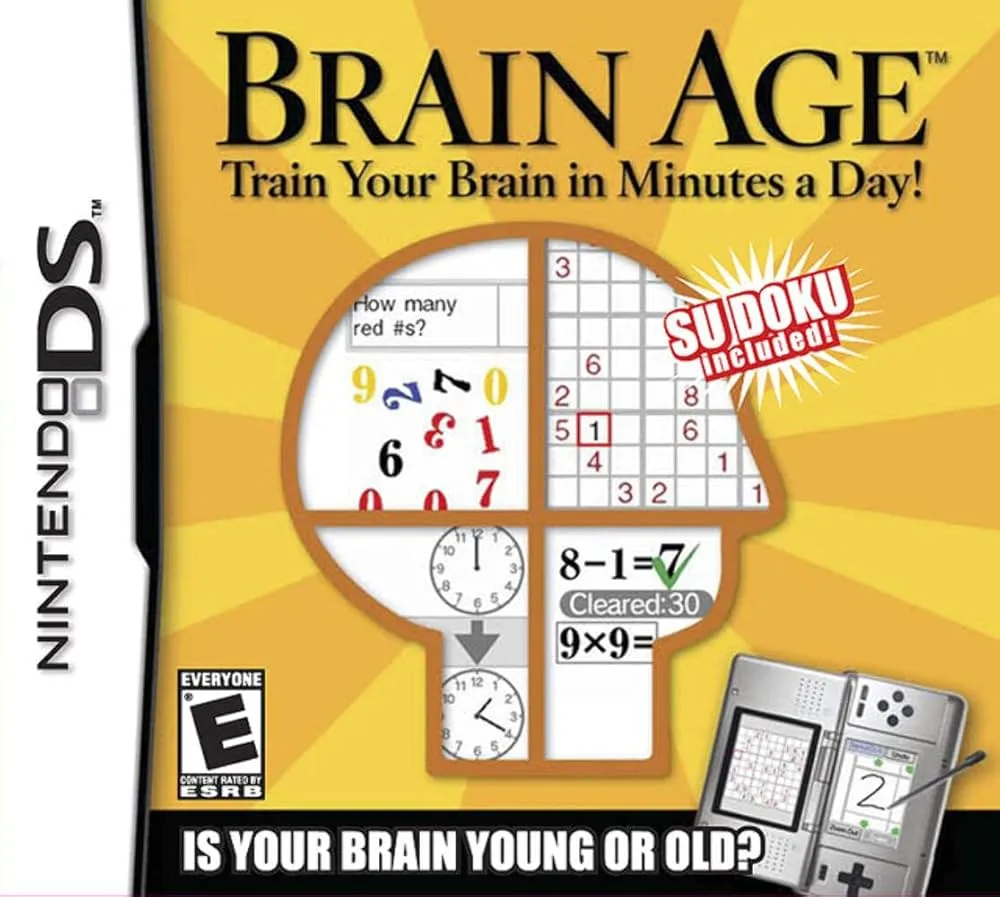
Screenshot: Brain Age, Nintendo.
4. Monument Valley
Developer: ustwo games | Released: 2014
Platforms: iOS, Android
Difficulty: Low to moderate | Price: $3.99
Where to play: Website · App Store · Google Play
Proof that a puzzle game can also be a piece of visual art. Guide a silent princess through impossible buildings inspired by M.C. Escher, rotating and shifting parts of them to make paths that could not exist in physical space. The game is short, about 90 minutes, and that is deliberate. ustwo built it to be beautiful rather than endless.
The series has sold over 30 million copies. Its look influenced an entire generation of mobile and indie game designers.
Pop culture: Appeared as a visible plot element in Season 3 of "House of Cards" (Netflix, 2015), driving a measurable spike in downloads. Ariana Grande's "No Tears Left to Cry" music video drew direct visual inspiration from the game's impossible architecture. Won Apple's iPad Game of the Year in 2014.
5. Lumosity
Developer: Lumos Labs | Released: 2007 (web), 2012 (mobile)
Platforms: iOS, Android, Web
Difficulty: Adaptive | Price: Free (limited); subscriptions from ~$11.99/month
Where to play: Website · App Store · Google Play
The app that put brain training in the mainstream. At its peak, over 100 million users. Dozens of mini-games aimed at memory, attention, processing speed, flexibility and problem-solving, served in daily sessions of five to seven minutes.
Lumosity built the brain training app category on mobile. It also became known for the wrong reasons: in 2016, the FTC settled charges against Lumos Labs for $2 million, finding that marketing claims about reducing cognitive decline weren't backed by sufficient evidence. The science on whether brain training carries over to real life is still contested. The games themselves are well made.
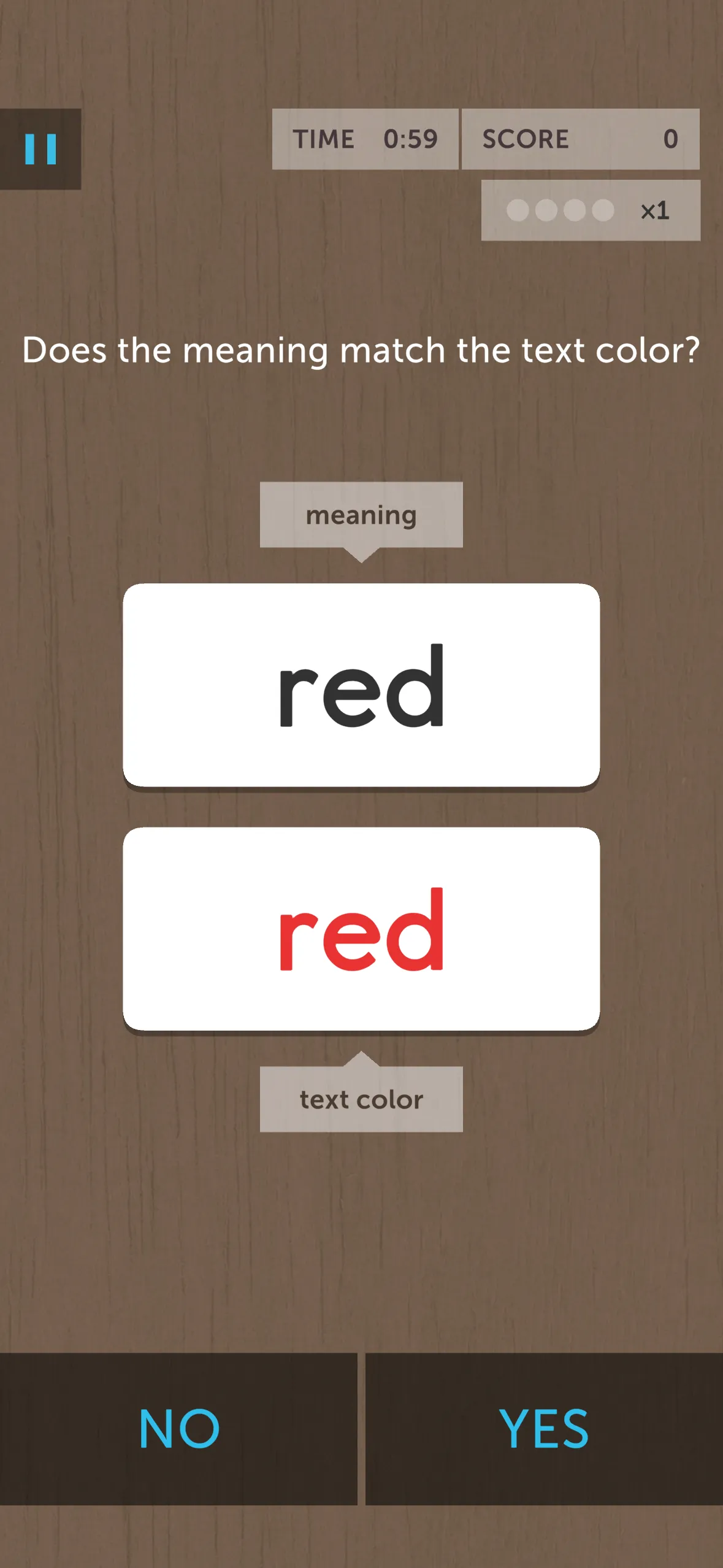
Screenshot: Lumosity, Lumos Labs.
6. Return of the Obra Dinn
Developer: Lucas Pope (solo developer) | Released: 2018
Platforms: PC, Mac, Nintendo Switch, PS4, Xbox One
Difficulty: Hard | Price: $19.99
Where to play: Website
One of the most demanding logic puzzles in game history. Board a ghost ship returned to port with no living crew and work out the exact fate of all 60 crew members using a magic pocket watch. The mechanic is pure deduction: gather evidence, cross-reference it, and commit answers only when you are certain.
Lucas Pope, who also made Papers, Please, built almost all of it on his own. It won the IGF Grand Prize, the GDC Award for Best Narrative, and the BAFTA for Artistic Achievement. It turns up regularly in lists of the greatest games ever made.

Screenshot: Return of the Obra Dinn, Lucas Pope.
7. Baba Is You
Developer: Arvi Teikari (Hempuli Oy) | Released: 2019
Platforms: PC, Mac, Nintendo Switch, iOS, Android
Difficulty: Very hard | Price: $14.99 PC/Switch; $6.99 mobile
Where to play: Website · App Store · Google Play
The rules of the game are physical objects in the world, and you can push them around to change how everything works. "BABA IS YOU" means you control Baba. Push "YOU" off that sentence and attach it to "WALL," and now you control the wall.
Won Excellence in Design and Best Student Game at the Independent Games Festival. The original prototype was built in 72 hours for a game jam. Game designers cite it as a revelation.
8. The Witness
Developer: Jonathan Blow (Thekla, Inc.) | Released: 2016
Platforms: PC, PS4, Xbox One, iOS
Difficulty: Extremely hard | Price: $39.99 console; $9.99 iOS
Where to play: Website · App Store
Seven years and reportedly $6 million to make. Explore a beautifully rendered open island alone, solving hundreds of maze-like panel puzzles. Each area introduces a new rule that changes what you thought you knew. The island holds 523 panels.
Blow's design idea, that players should get their reward from working something out rather than from a steady drip of points, runs against almost every mobile and casual game convention. The Witness generated more walkthrough traffic than almost any puzzle game of the decade, which says plenty about the difficulty.
Also by Blow: Braid (2008), one of the games most credited with legitimizing indie games as a critical category.
9. Elevate: Brain Training
Developer: The Mind Company | Released: 2014
Platforms: iOS, Android
Difficulty: Adaptive | Price: Free (limited); Pro ~$4.99/month
Where to play: Website · App Store · Google Play
Where Lumosity casts a wide net, Elevate focuses on reading comprehension, writing clarity, speaking precision, mental math and vocabulary. Those skills carry over to work more directly than abstract pattern matching does. Apple named it App of the Year in 2014.
Elevate has built a loyal professional audience: people who want to sharpen how they communicate, not just feel mentally active. Career coaches and productivity experts recommend it often.
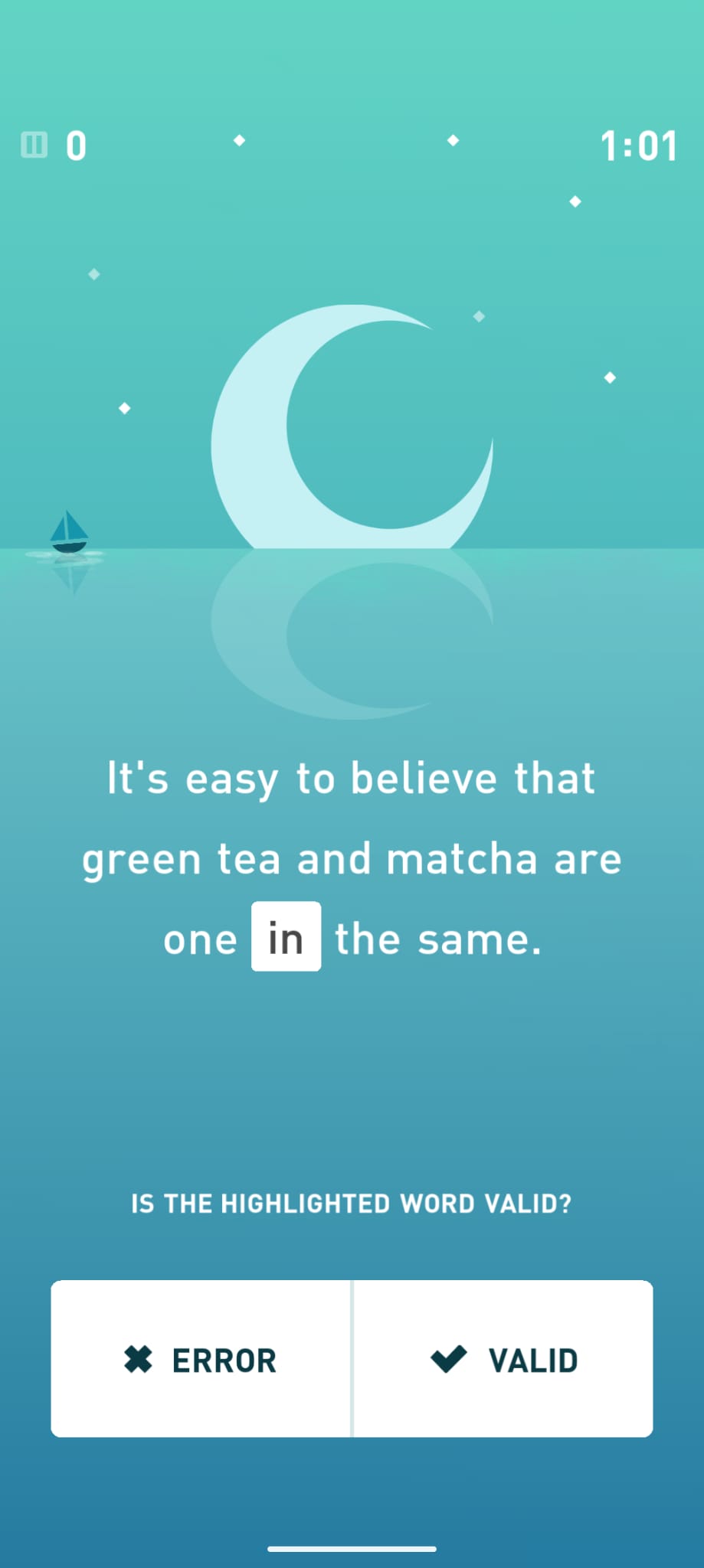
Screenshot: Elevate, The Mind Company.
10. Peak: Brain Games and Training
Developer: Brainbow | Released: 2014
Platforms: iOS, Android
Difficulty: Adaptive | Price: Free (limited); Pro ~$4.99/month
Where to play: Website · App Store · Google Play
Peak sits between Lumosity's broad entertainment approach and Elevate's focused skill-building. Memory, mental agility, language, problem-solving and emotional intelligence across 45+ games. The Insights dashboard breaks down how your scores compare with others your age, which is motivating and humbling at once.
Partnerships with researchers from Yale, Cambridge, and other universities gave it scientific credibility. Named Best App of 2014 in over 24 countries.
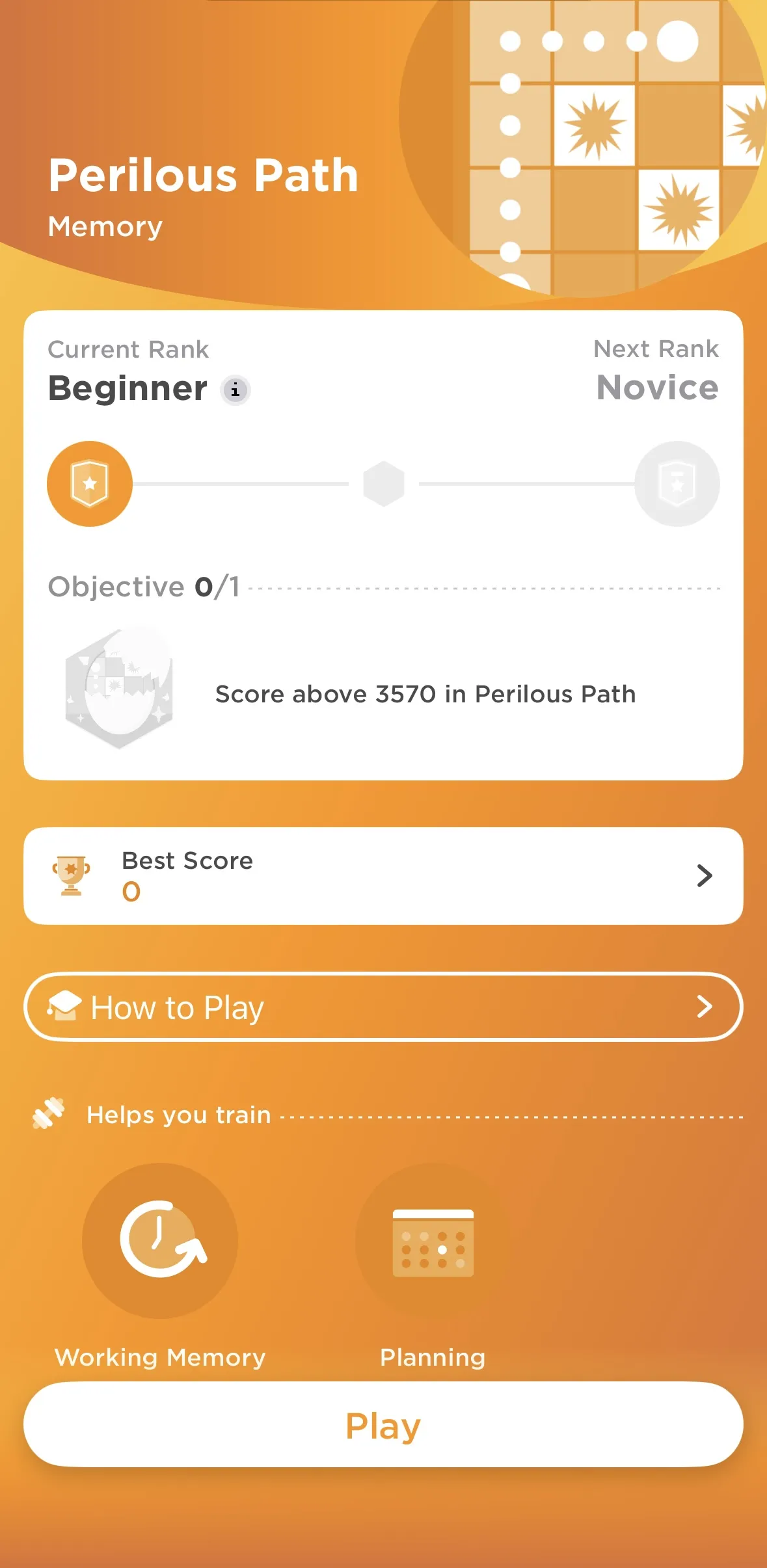
Screenshot: Peak, Brainbow.
How to Choose
| If you want... | Play... |
|---|---|
| A game that permanently changes how you think | Portal |
| The deepest long-term cognitive investment | Chess.com |
| Daily cognitive training (language focus) | Elevate |
| Daily cognitive training (broad) | Lumosity or Peak |
| The hardest pure logic puzzle ever made | Return of the Obra Dinn |
| Rule-bending that breaks your brain | Baba Is You |
| Something beautiful and meditative | Monument Valley |
| To be humbled | The Witness |
If every entry above feels like homework, there is a gentler way in. Tile-matching mahjong solitaire trains the same scanning and pattern-recognition muscles as the apps on this list, with none of the timers or streak pressure. Our roundup of the best mahjong games covers the classic solitaire versions alongside the competitive four-player game, so you can pick whichever end of the spectrum suits you.
At Logic Loft Games, we build daily puzzles that test pattern recognition and deduction. If you enjoy games that make you think, try Pairdle, a daily word puzzle where all the clues you need to solve it are right in front of you.
By Suzette Simons, Logic Loft Games
Related articles
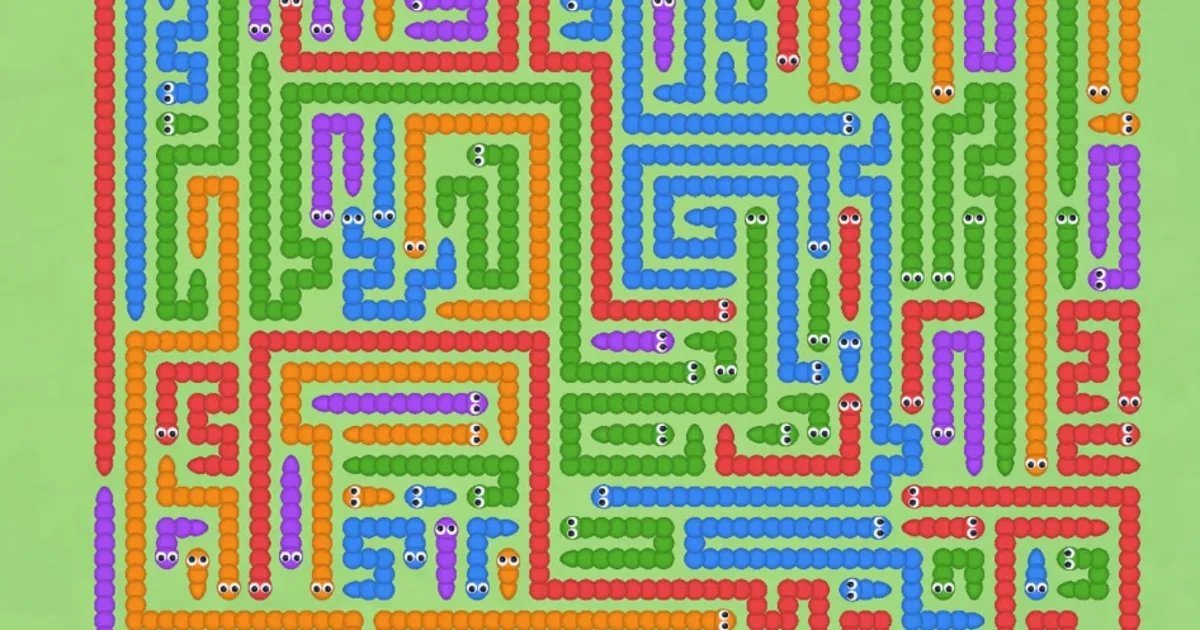
Amaze Go: Addictive and Frustrating in Equal Measure
A board full of twisting arrows, three lives and one job: send each arrow off the board without hitting another. Relaxing until you overlook something.
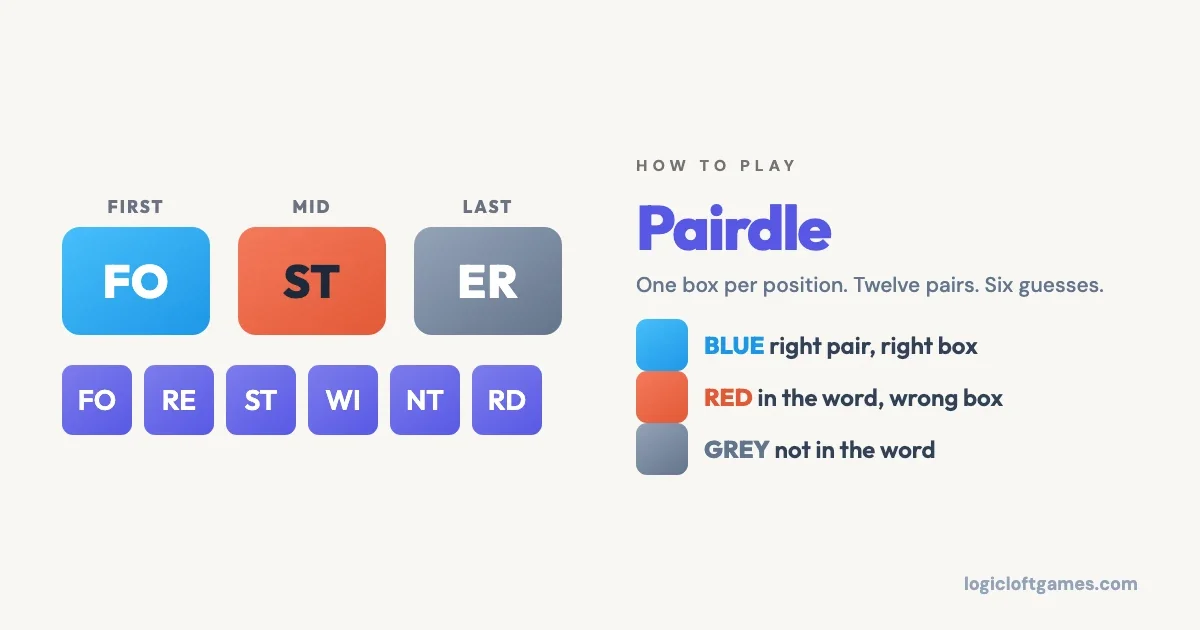
Pairdle 1.5: What's New, What's the Same, and an Exciting New Level
Pairdle 1.5 puts every level on one row, unlocks Pro, adds Expert and endless Practice, and introduces Olly the owl. Plus what a 12-tile board really holds.
The 10 Best Classic Word Games With Digital Versions (2026 Edition)
From Scrabble to SpellTower, these 10 classic word games have lasted, and all of them have digital versions you can play today on your phone or in a browser.