
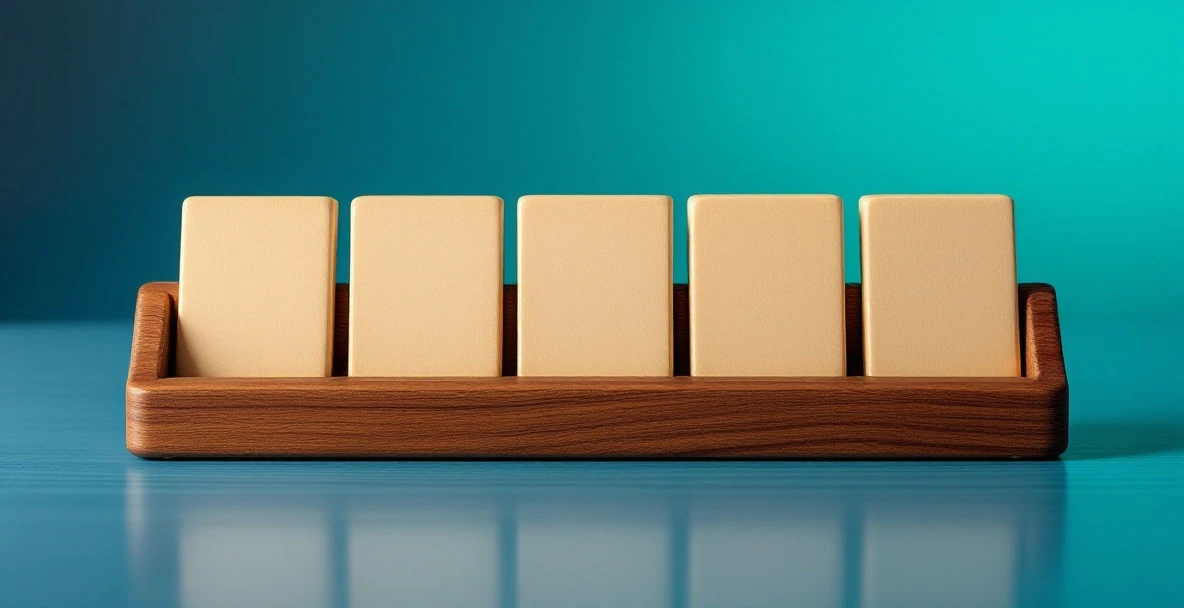
In Scrabble, a "bingo" is when you play all seven of your tiles in a single turn, and it earns a 50-point bonus on top of the word's normal score. One bingo can swing an entire game — a seven-letter word on decent squares plus the bonus routinely scores 70–90 points. Strong players don't stumble into bingos by luck; they actively set them up. Here's how.
We build word games, and the bingo is the most satisfying single play in all of Scrabble — pure rack management paying off.
Why bingos matter so much
A normal good turn scores 15–25 points. A bingo scores 60–90. Over a game, the player who lands one or two bingos usually wins regardless of what else happens. That's why everything below — rack balance, tile holding, ending recognition — is really in service of one goal: giving yourself a realistic shot at a bingo every few turns.
Keep a balanced rack
Bingos come from racks that can form a seven-letter word, and that requires balance. The two habits that matter most:
- Aim for a good vowel-consonant mix. Roughly 3 vowels and 4 consonants (or 4/3) is the sweet spot. A rack of six consonants and one vowel will almost never bingo. Dump excess of either — our vowel-heavy words guide covers how to shed a vowel glut without wasting a turn.
- Avoid duplicate-heavy racks. Three of the same letter kills your flexibility. Play off the extras.
Hold the bingo-friendly tiles
Some tiles build words; some clog your rack. The letters S, E, R, A, T, I, N, O, L, D combine into more seven-letter words than any others. The blank is the single most valuable tile in the bag precisely because it makes bingos easy — many strong players will pass up a 25-point play to keep a blank for a bingo next turn. As a rule: don't waste your S's and blanks on small plays if a bingo might be one draw away.
Learn the bingo-prone endings
Most seven-letter words are a familiar base plus a common ending. Train your eye to spot these in your rack, then unscramble the remaining letters:
- -ING — the king of bingo endings. If you hold I, N, G, you're often one step from a bingo.
- -IER, -IEST — comparatives.
- -IES, -ERS, -ED, -ES — plurals and past tenses.
- -OUT, -ION, -ENT, -ATE, -INE, -AGE — extremely common word-finals.
Seeing _ _ _ _ ING in your rack and asking "what four letters go in front?" is far easier than scanning all seven cold. This is the same anagram instinct from our how anagrams work guide, applied to a seven-tile rack.
Use the board's hooks
You don't always need a freestanding seven-letter word. Often you can play a seven-tile word that "hooks" onto a letter already on the board, using it as the eighth letter of an eight-letter word, or attaching with a two-letter word along the way. Knowing the 2-letter Scrabble words cold makes these parallel bingos possible. Always scan the board for an open lane long enough to lay seven tiles before you give up on a bingo.
A worked example
Say your rack is R, E, T, A, I, N, S. Scan for an ending: -S (plural), and -ING isn't available, but you have the makings of several words. R-E-T-A-I-N-S = RETAINS. Also RETINAS, RATINES, STAINER, STEARIN, NASTIER, ANTSIER... that one rack of common letters forms eight different bingos. That's why holding R, E, T, A, I, N, S-type tiles is gold: balanced, common, endlessly recombinable.
How to train for bingos
- Practice anagramming seven-letter sets. Take any seven common letters and see how many words you can make. Speed comes with reps.
- Memorize the "bingo stems." Six-letter combos like SATIRE, RETINA, and SATINE each form a bingo with almost any seventh letter added. Pros memorize these stems and just test the 26 letters.
- Don't force it. If your rack can't bingo this turn, make a solid scoring play that improves your rack for next turn — dump awkward tiles, keep your good ones.
- Think two turns ahead. A bingo usually isn't built in one turn; it's built over two or three. If you're holding five great bingo tiles and two duds, play the duds off cheaply this turn rather than breaking up your good five for a flashy 22-point play. Patience compounds: a rack you keep balanced and "bingo-loaded" pays off far more over a game than a string of medium plays that constantly tear it apart.
A bingo a game is the difference between a casual player and a strong one. Balance your rack, hoard your S's and blanks, learn the endings, and the 50-point plays will start appearing. For the fundamentals behind all of this, start with our how to play Scrabble guide — and if you love this kind of letter-juggling, you'll enjoy the daily challenge of Pairdle.
Related articles
High-Value Scrabble Tiles: Where to Use J, Q, X, Z
The J, Q, X, and Z are worth the most in Scrabble — and the most wasted. Here's how to place each for maximum points without getting stuck on your rack.
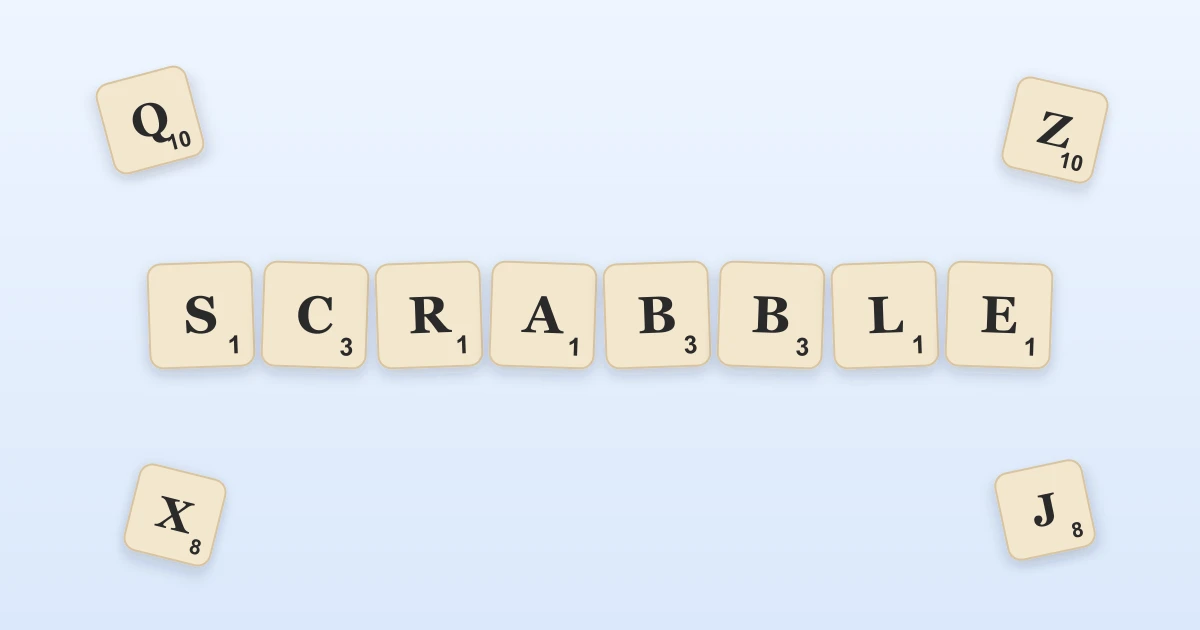
How to Play Scrabble: Rules, Scoring & Board Bonuses
A clear, complete guide to Scrabble — setup, turn order, how scoring and the premium squares work, and the beginner habits that quietly win games.
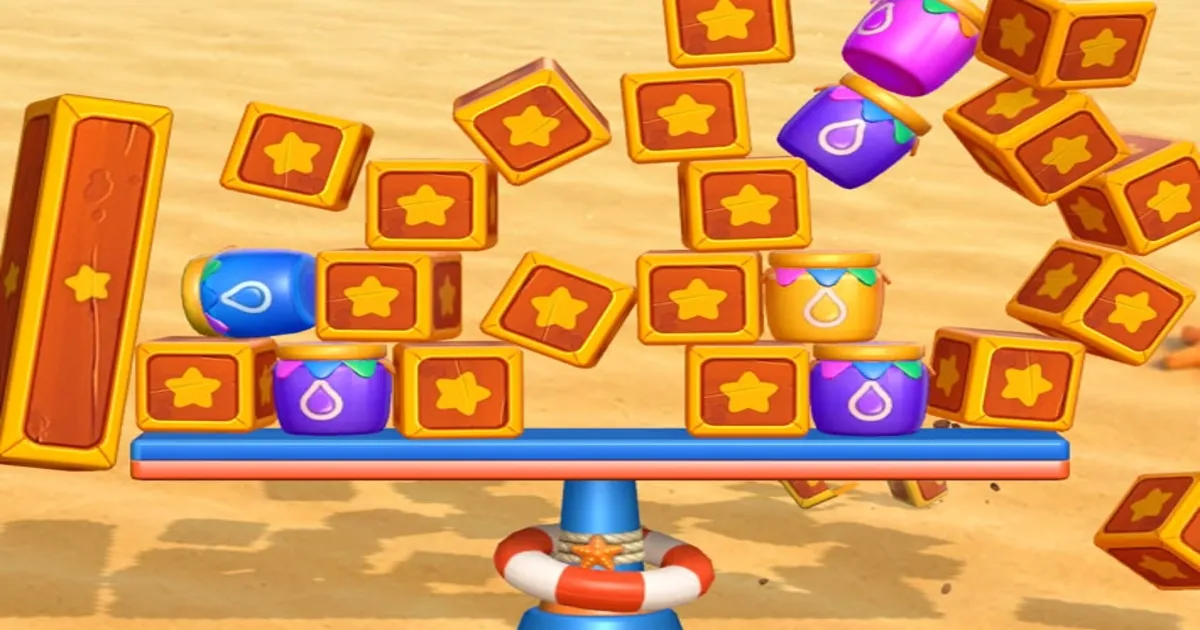
Smash Fest: Much More Fun Than I Expected
A cannon, a limited supply of balls and a pile of blocks balanced on a beach platform — a game that looked like pure hit-and-hope turned out to have real aim to it.