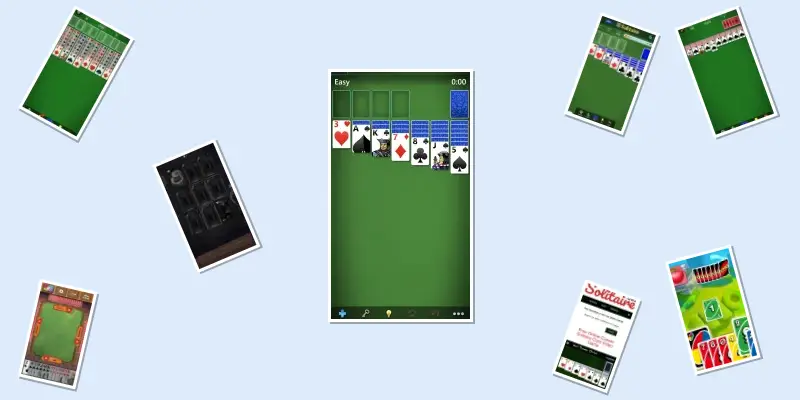
Solitaire taught a generation of PC users to use a mouse. Thirty-five years later, it still gets 35 million players a month. And in 2024, a solo developer with no marketing budget built Balatro — a poker-based roguelite that became the card game of the year.
That tension between heritage and innovation is the story of digital card games right now. Here are the 10 best, from the timeless to the boundary-breaking.
1. Microsoft Solitaire Collection
Developer: Microsoft / Arkadium
Released: 1990 (original); Collection launched 2012
Platforms: Windows, iOS, Android, Web
Difficulty: Easy to medium | Price: Free (ads; Microsoft 365 removes them)
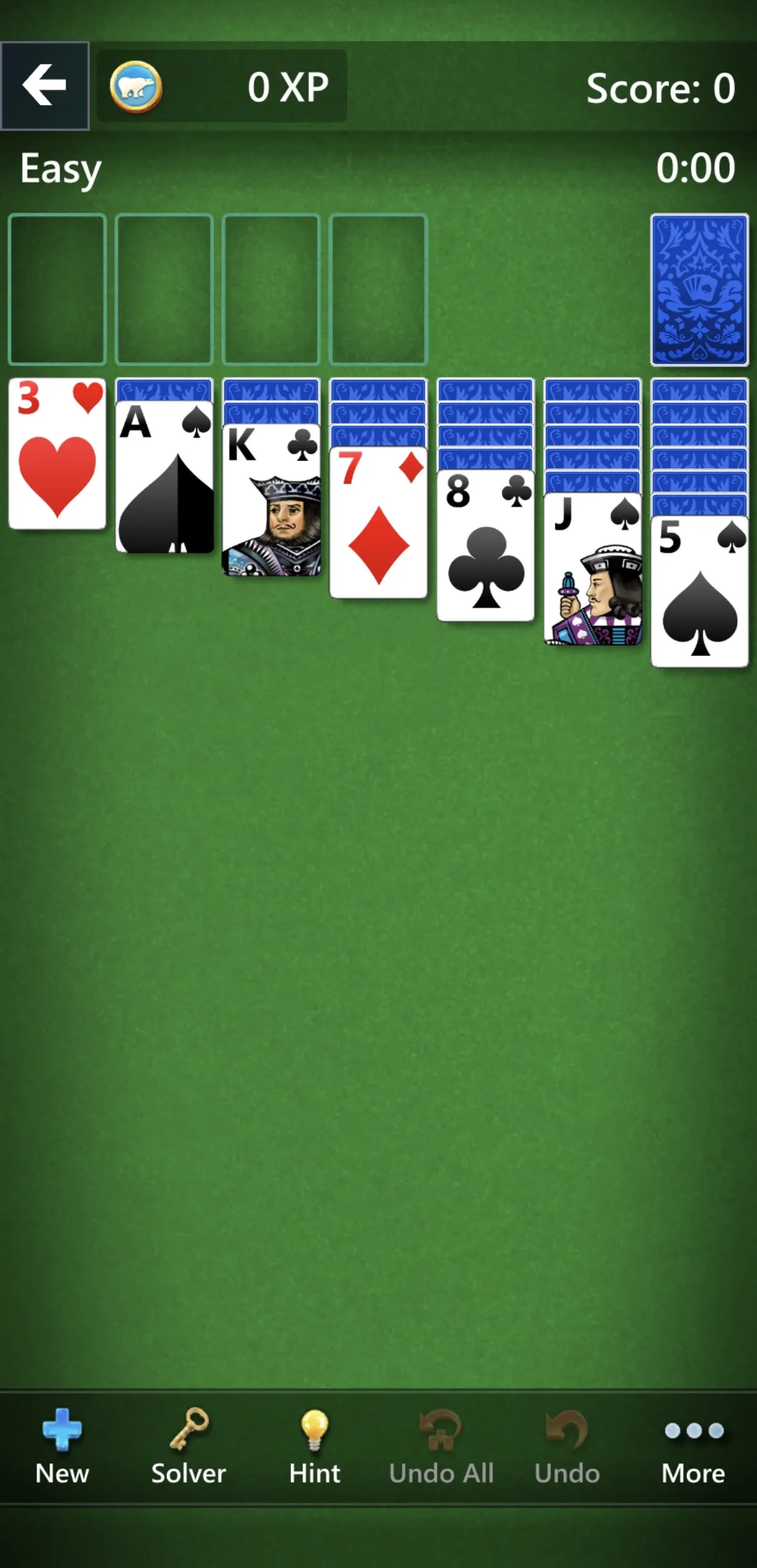
The most-played card game in history by sheer install base. The Collection bundles five variants — Klondike, Spider, FreeCell, Pyramid, and TriPeaks — with daily challenges, themed card decks, and Xbox achievements. Microsoft estimates over 35 million people play it monthly.
Solitaire was bundled with Windows 3.0 in 1990 as a trojan horse to teach users mouse skills — a fact confirmed by the game's original developer, Wes Cherry. It was inducted into the World Video Game Hall of Fame in 2019.
2. Balatro
Developer: LocalThunk (solo developer)
Released: February 2024
Platforms: PC, PlayStation, Xbox, Nintendo Switch, iOS, Android
Difficulty: Medium to hard | Price: $14.99 PC; $6.99–$9.99 mobile
A poker-based roguelite that strips poker hands down to their scoring logic, then breaks every rule using "Joker" cards that multiply, chain, and warp the math into something entirely new. Each run is a series of escalating blind challenges where you build a scoring deck.
Balatro sold over 1 million copies in its first week and won multiple Game of the Year awards. The solo developer demonstrated that one person with a sharp systemic idea can still disrupt the industry. The ESRB rating note that it "simulates gambling" despite containing no real-money mechanics became a minor viral news story.
3. FreeCell
Developer: Microsoft (original by Jim Horne, 1991)
Platforms: Windows (built-in), iOS, Android, Web
Difficulty: Medium | Price: Free
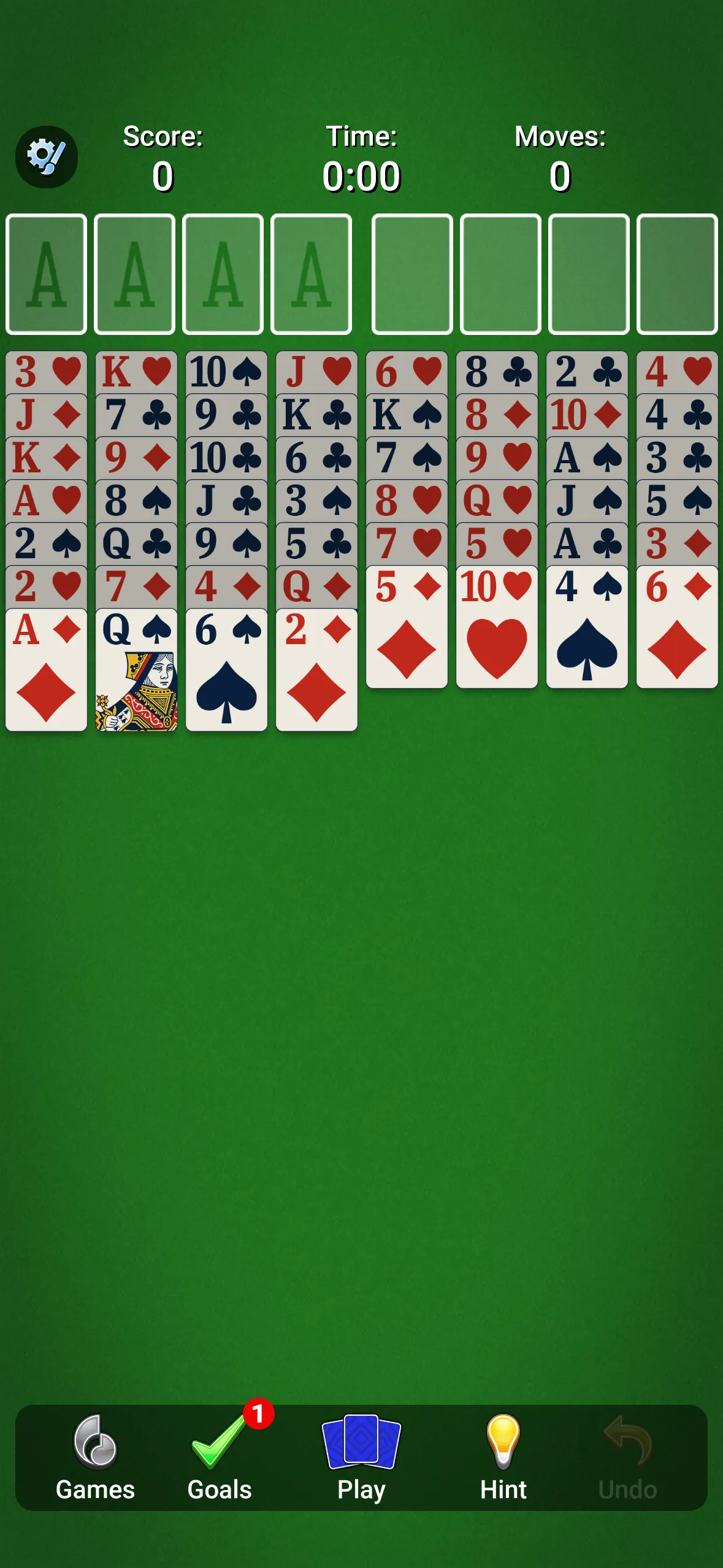
FreeCell differs from standard Klondike in one critical way: all 52 cards are dealt face-up from the start. Every move is a logic puzzle rather than a game of chance. Approximately 99.999% of all FreeCell deals are solvable, making it a pure game of skill.
The face-up deal means losing always feels like a logic failure on your part — which, paradoxically, makes it more compelling. The best players think 10–15 moves ahead, treating it more like chess than cards.
Internet legend: The famous "Deal 11982" — reportedly one of the only unsolvable deals — became a challenge circulated widely in early internet communities.
4. Spider Solitaire
Developer: Microsoft (popularized via Windows Me/XP)
Platforms: Windows (built-in), iOS, Android, Web
Difficulty: Medium (1-suit) to very hard (4-suit) | Price: Free
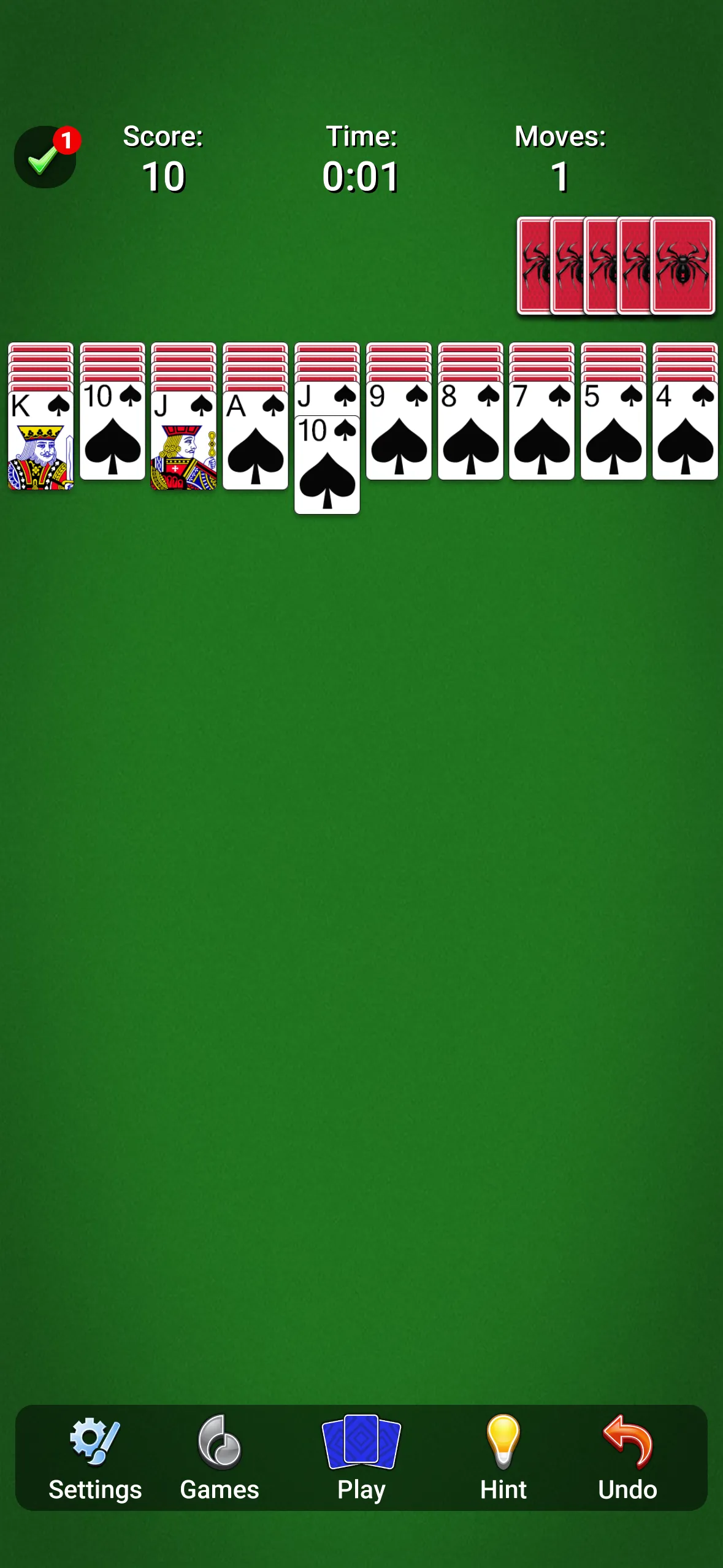
Build eight complete descending sequences (King through Ace) using two decks of cards across ten columns. The difficulty scales dramatically by suit count: 1-suit is accessible; 4-suit, where sequences must be same-suit to move as a group, is among the hardest classic solitaire variants.
Spider introduced a meaningful difficulty ladder that the original Klondike lacked. It was bundled with Windows XP and became a lunchtime staple in offices worldwide.
Office culture: Commonly cited alongside Minesweeper as the reason IT departments began restricting games on company machines in the early 2000s.
5. Solitairica
Developer: Righteous Hammer Games
Released: 2016
Platforms: iOS, Android, PC (Steam)
Difficulty: Medium to hard | Price: $2.99–$4.99 mobile; $9.99 Steam (no ads, no in-app purchases)
Klondike solitaire fused with RPG combat. Every card cleared deals damage to an enemy, and enemies attack back each turn you leave cards uncovered. Build a character with spell cards, equipment, and class abilities. Each run is a roguelite progression through increasingly difficult encounters.
Solitairica was one of the earliest successful genre-blending solitaire games, proving there was an audience for mechanical depth on top of the base solitaire loop. For $3 on mobile, it remains one of the best values in premium mobile gaming.
6. Card Thief
Developer: Arnold Rauers / Tinytouchtales
Released: 2017
Platforms: iOS, Android
Difficulty: Hard | Price: $1.99–$2.99 (no ads, no in-app purchases)
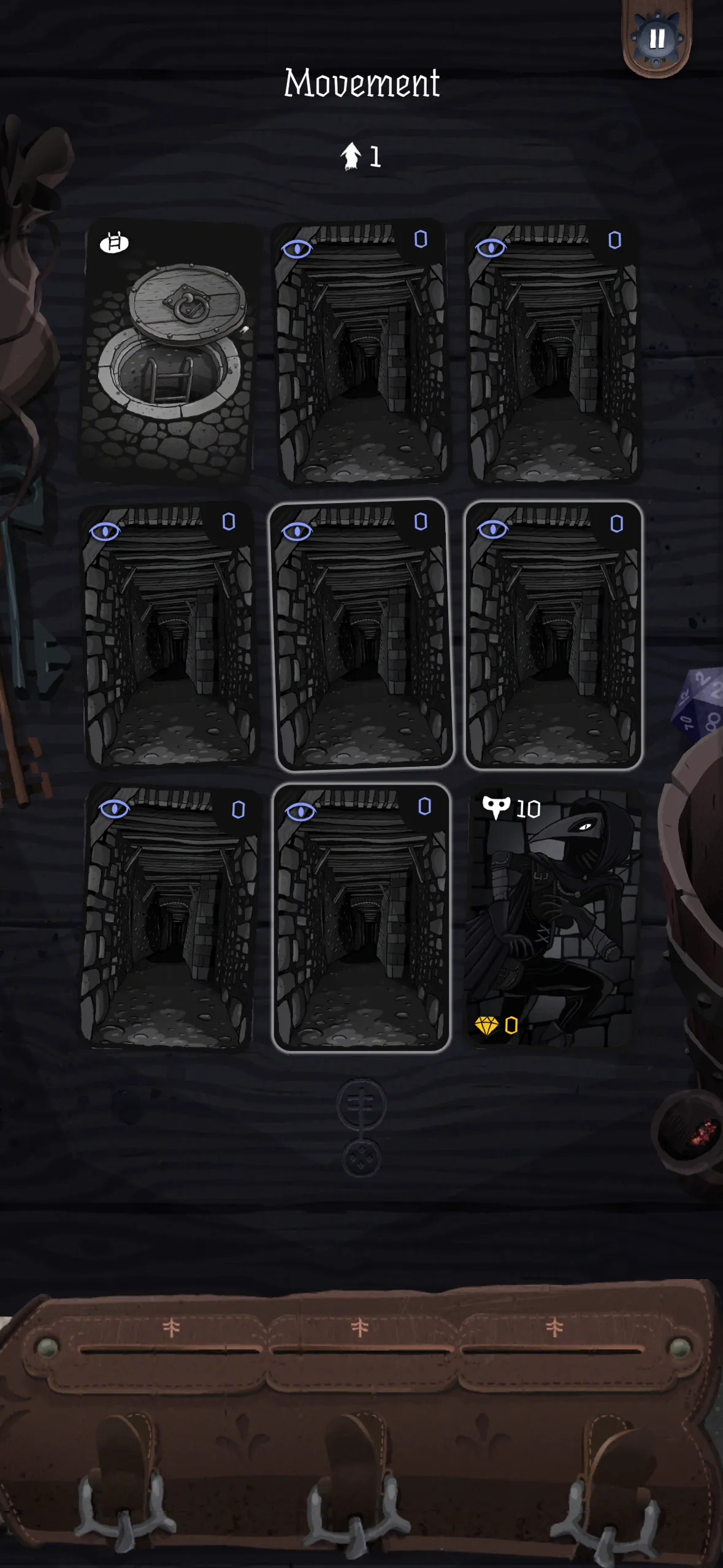
A stealth game played entirely with cards. Navigate a thief through a 3x3 grid of guard cards, torch cards, and chest cards, spending stealth points to move and avoid detection. Every mechanic is expressed through a card — no HUD, no tutorial pop-ups.
The learning curve is steep but the payoff is a game designed by someone who understood both card games and stealth games at a mechanical level. Arnold Rauers is a solo developer known for making small, premium, mechanically dense card games with zero ads.
7. Classic Solitaire (MobilityWare)
Developer: MobilityWare
Released: 2009 (one of the first solitaire apps on the App Store)
Platforms: iOS, Android, Kindle Fire
Difficulty: Easy to medium | Price: Free (ads); $2.99 to remove
The standard-bearer for classic Klondike on mobile and one of the most downloaded card game apps in history. Daily challenges, Vegas scoring mode, and timed modes add variety, while the core experience remains faithful to the 35-year-old original.
MobilityWare launched one of the very first apps on the App Store in 2008. Their solitaire app has been downloaded hundreds of millions of times and helped define the "hypercasual" category before that term existed.
8. UNO! (Digital)
Developer: Mattel163 (Mattel + NetEase joint venture)
Released: 2019 (mobile); Ubisoft console version 2016
Platforms: iOS, Android, PC, Switch, PlayStation, Xbox
Difficulty: Easy to medium | Price: Free mobile (ads + cosmetic purchases); $9.99 console
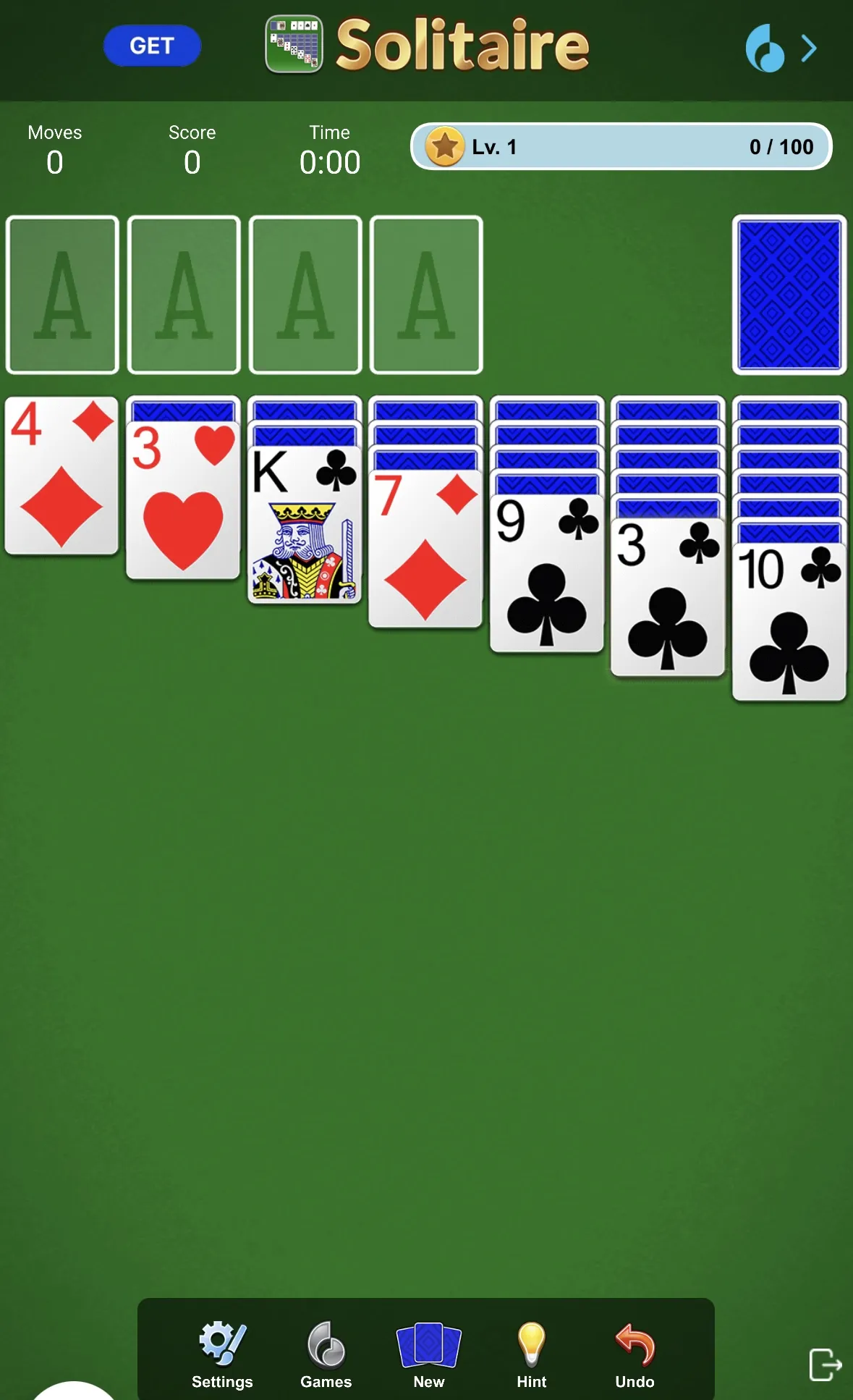
The digital adaptation of the classic Mattel card game. Match color or number, deploy action cards to slow opponents, and empty your hand first. Online multiplayer with up to four players, themed decks, and "House Rules" variants add replayability.
UNO has sold over 150 million physical decks. The "UNO Reverse Card" became one of the most widely used internet memes of the late 2010s and 2020s — appearing everywhere from political commentary to workplace humor.
9. Hearts & Spades
Developer: AI Factory Ltd, Brainium Studios (various implementations)
Released: Various (2010–2012); Hearts pre-installed on Windows through Windows 7
Platforms: iOS, Android, Web
Difficulty: Medium (Hearts) to medium-hard (Spades) | Price: Free (ads); premium to remove
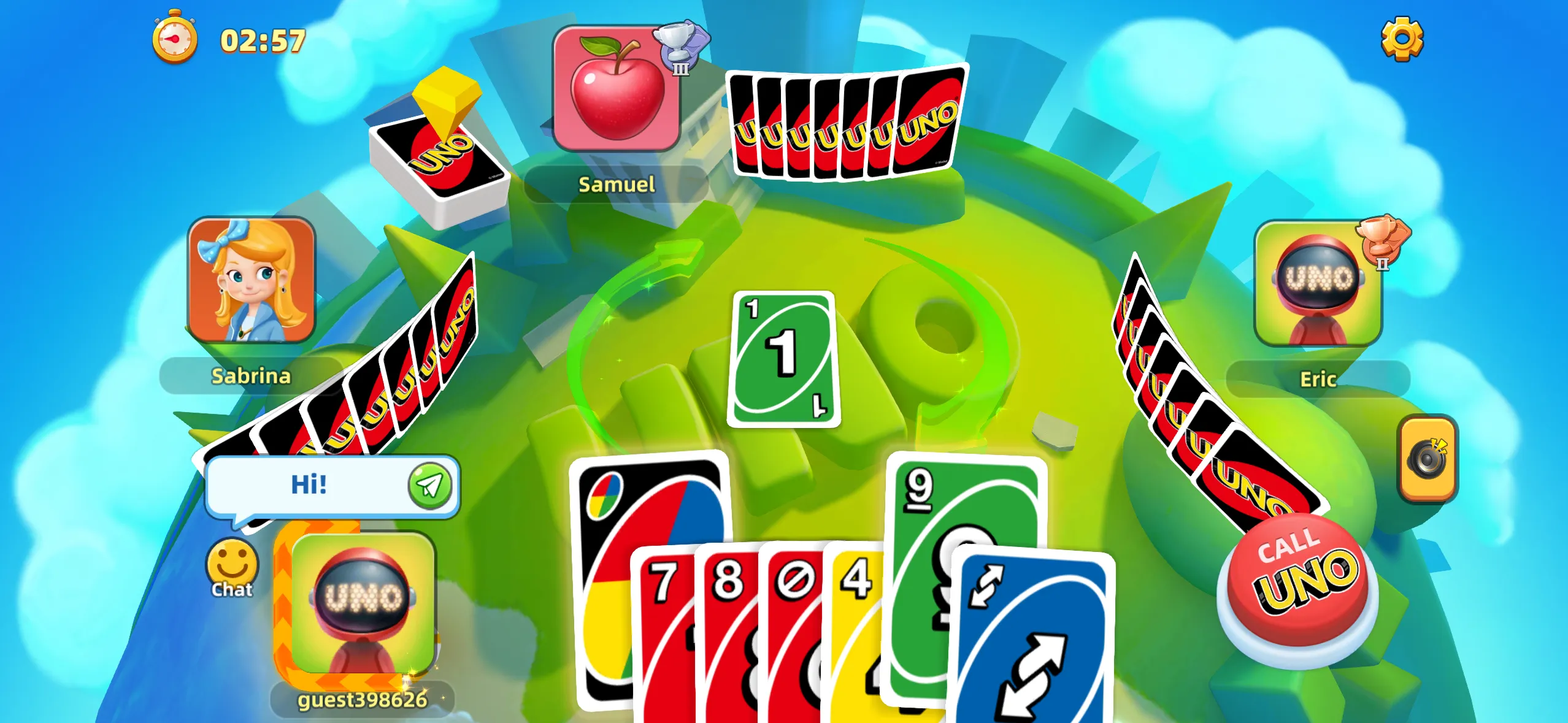
Trick-taking card games with a higher skill ceiling than solitaire because you're playing against opponents. In Hearts, avoid penalty cards — unless you "shoot the moon." Spades adds a bidding system where partners must collaborate to hit their declared trick count.
Hearts on Windows was many users' first experience with networked online gaming in the 1990s. Spades has deep cultural roots in American social traditions — commonly played at family gatherings and historically in HBCU dormitories.
10. Patience (Browser-Based Classic)
Developer: Various (Solitaire.org, Cardgames.io, 247solitaire.com)
Platforms: Web browser (all devices, no download)
Difficulty: Easy | Price: Free (ad-supported)
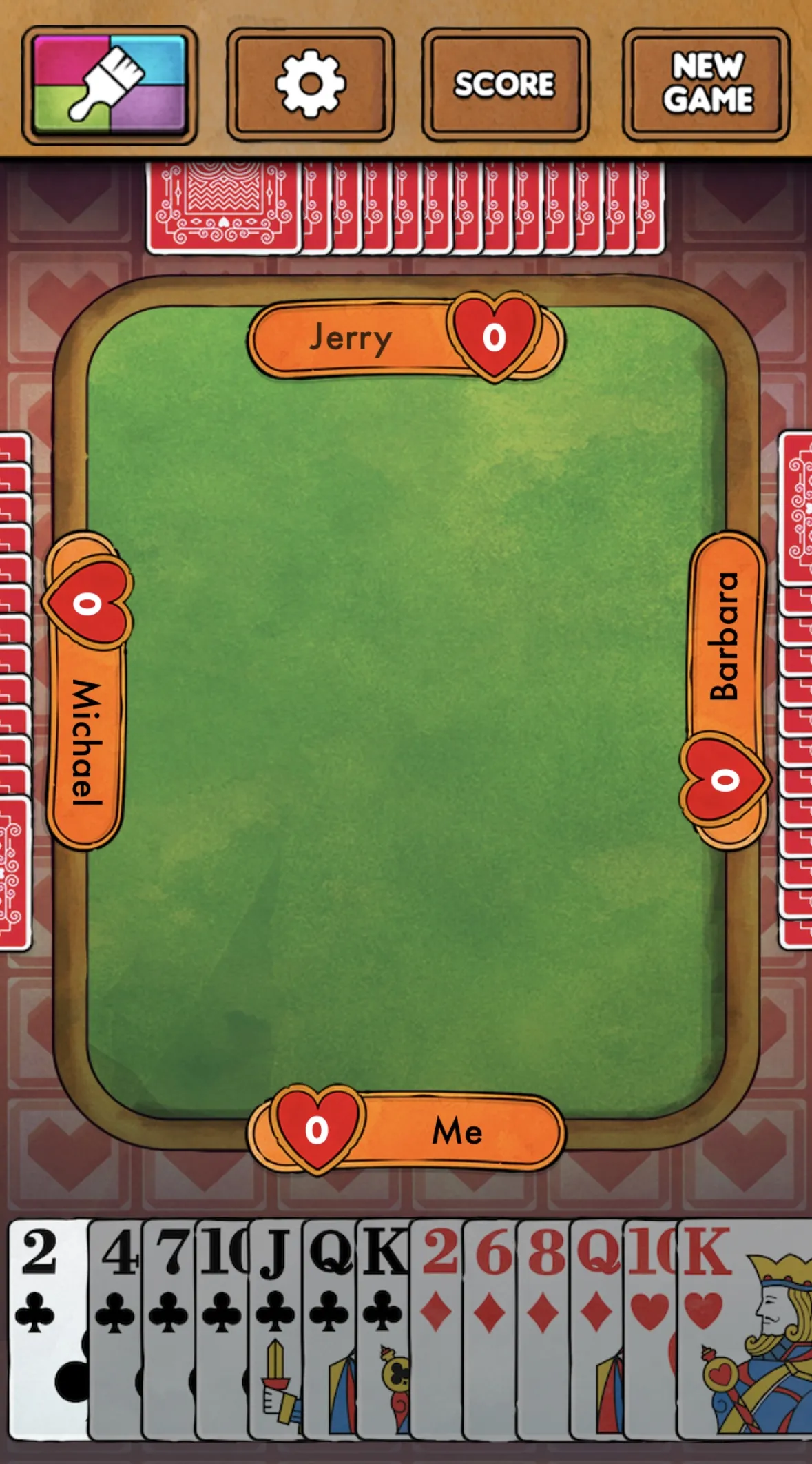
"Patience" — the British English name for solitaire — refers to browser-based Klondike that requires no download, no account, and no setup. Open a URL and play. Sites like Solitaire.org attract tens of millions of monthly visitors.
The zero-friction model is the reason this category thrives alongside native apps. The word "patience" as a metaphor for endurance traces directly to the card game. Agatha Christie's characters play patience throughout her novels.
Quick Comparison
| If you want... | Play... |
|---|---|
| The classic, no frills | Microsoft Solitaire or MobilityWare |
| A roguelite obsession | Balatro or Solitairica |
| Pure logic, no luck | FreeCell |
| A hard difficulty ladder | Spider Solitaire (4-suit) |
| Multiplayer with friends | UNO or Hearts/Spades |
| A stealth game with cards | Card Thief |
| Instant browser play | Patience (Solitaire.org) |
Love puzzles that test logic over luck? Try Pairdle — a daily word puzzle where deduction beats vocabulary.
By Tim Nye, Logic Loft Games