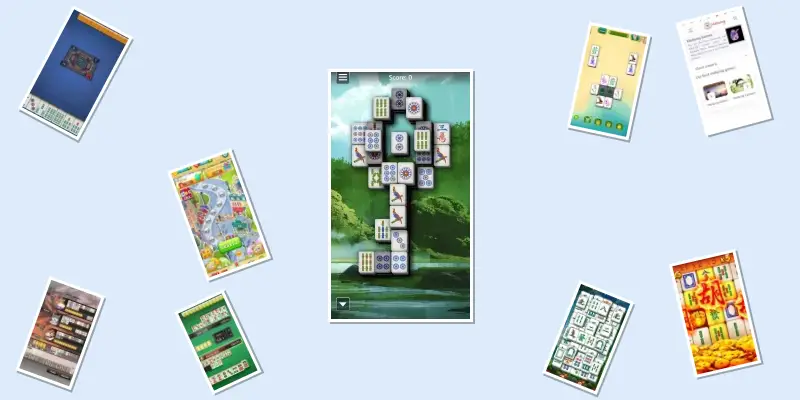
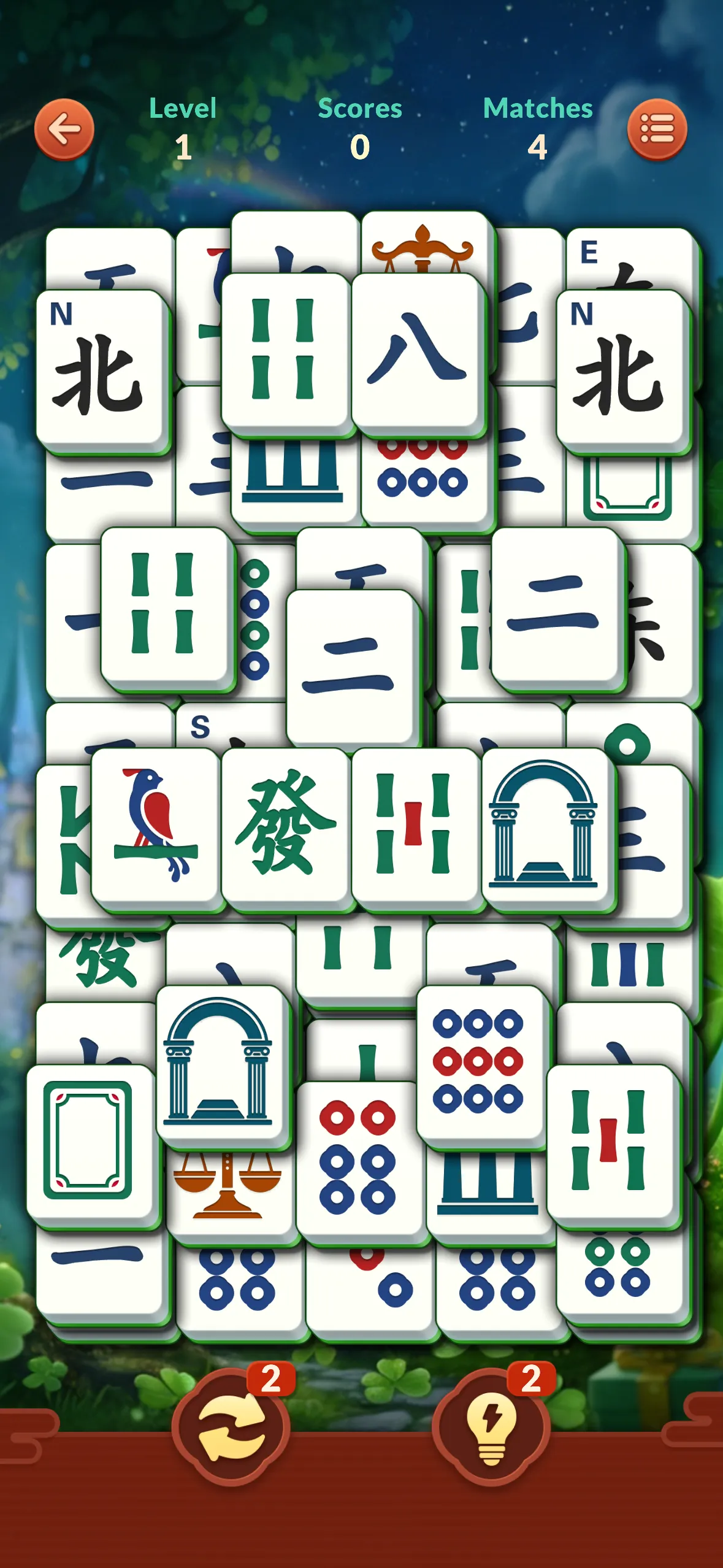
Mahjong is one of the oldest and most enduring tile games in the world. In its traditional form, it's a four-player strategy game with roots in 19th century China. In its digital form, most Western players know it as Mahjong Solitaire — the single-player tile-matching puzzle that was bundled with Windows for decades.
Both versions are alive and thriving. This list covers the best of each: the classic solitaire tile-matching games and the competitive multiplayer versions that have built massive online communities.
1. Microsoft Mahjong
Developer: Microsoft / Arkadium | Originally released: 2012 (Windows 8 Collection)
Platforms: Windows, iOS, Android, Web
Difficulty: Easy to medium | Price: Free (ads; Microsoft 365 removes them)
The successor to Mahjong Titans (Windows Vista/7), Microsoft Mahjong is the most widely installed digital mahjong game in history. The Collection includes daily challenges, themed events, multiple tile sets, and Xbox achievements. Like Microsoft Solitaire, it reaches tens of millions of monthly players through sheer ubiquity.
Microsoft has been bundling mahjong games with Windows since the Microsoft Entertainment Pack in the late 1980s — first as "Taipei," then "Shanghai Solitaire," then "Mahjong Titans," and now the current Collection.
2. Mahjong Titans
Developer: Oberon Games (for Microsoft) | Released: 2007 (Windows Vista)
Platforms: Windows Vista, Windows 7 (discontinued in later Windows)
Difficulty: Easy to medium | Price: Free (pre-installed)
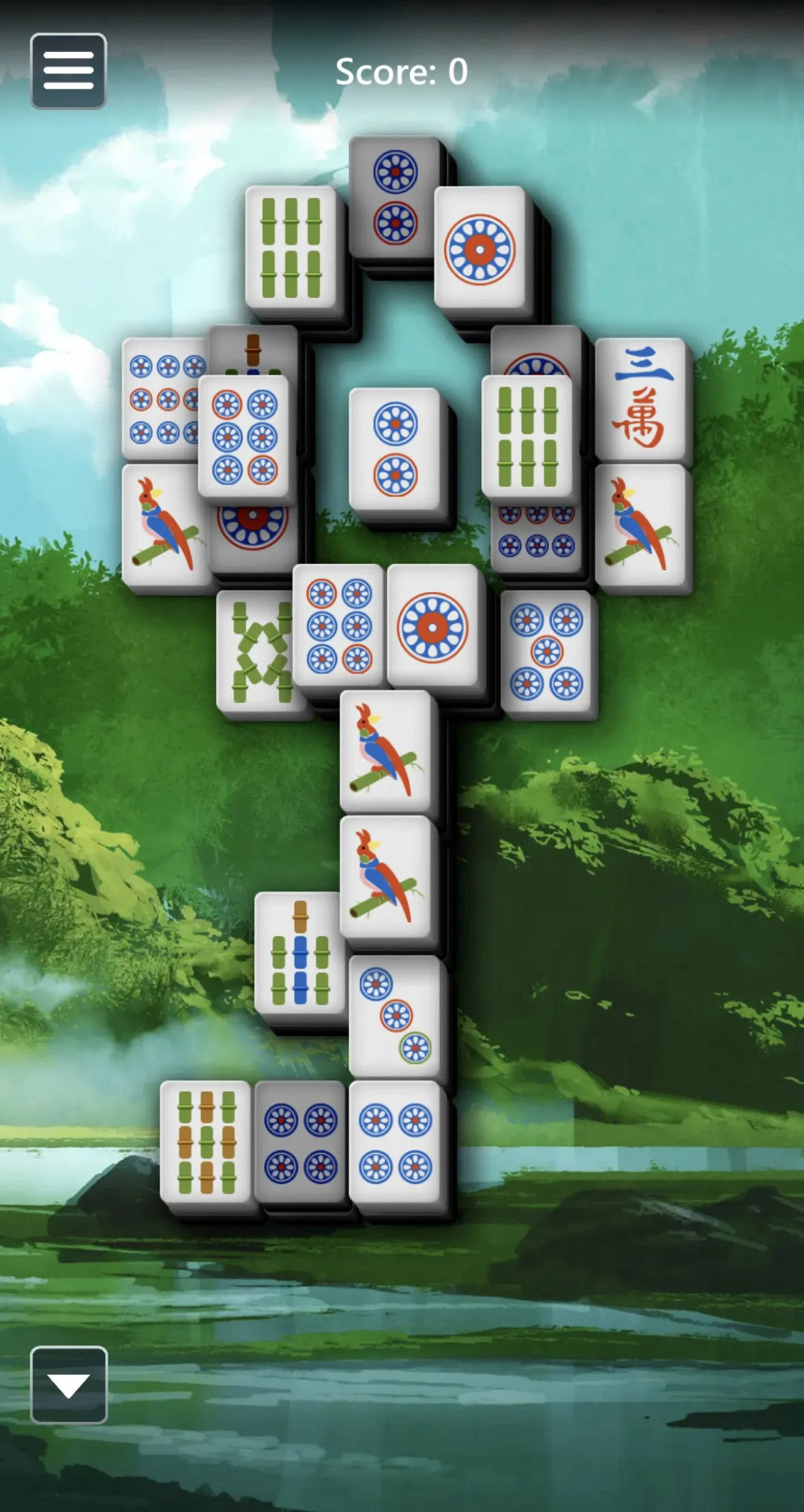
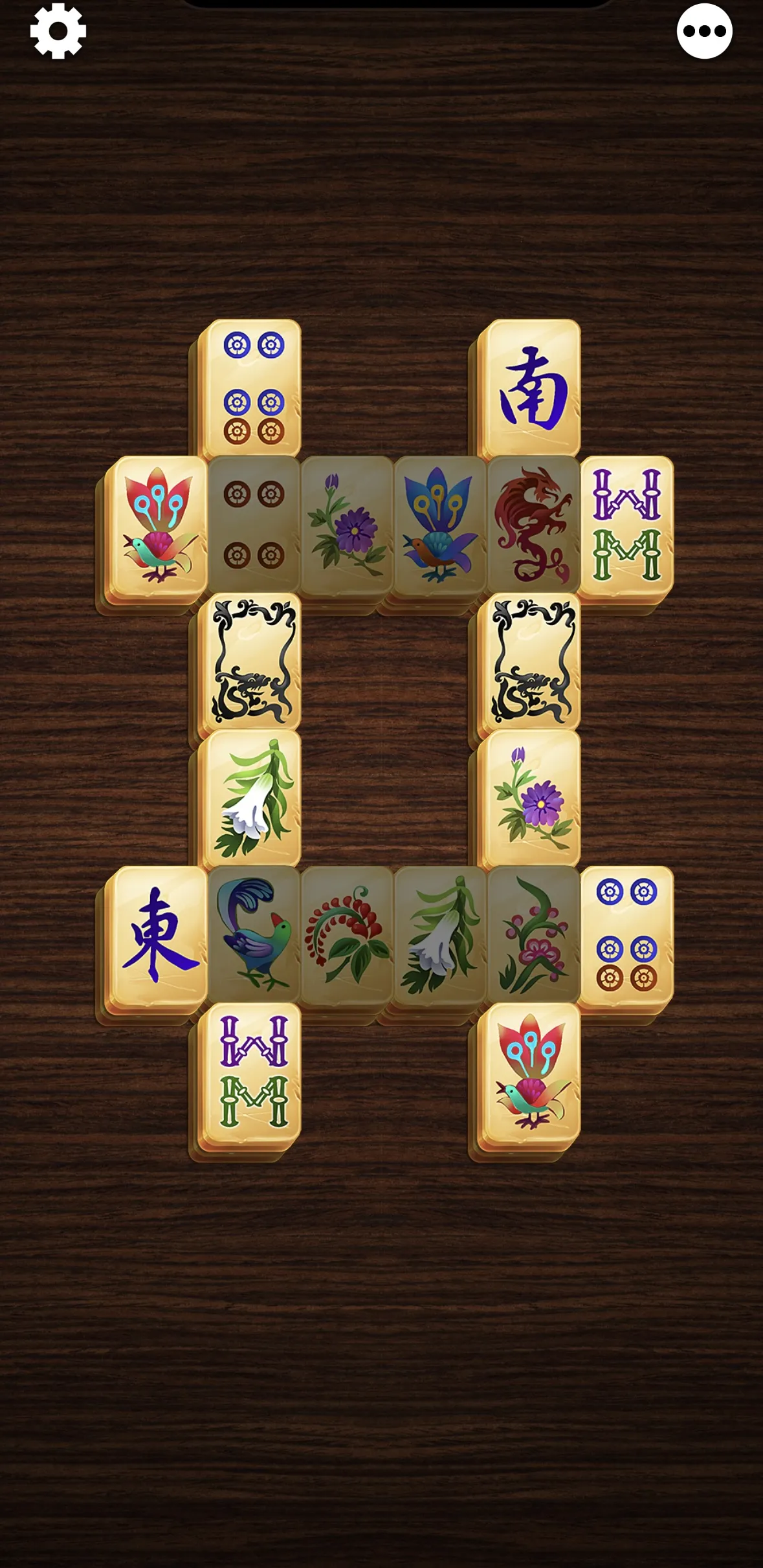
The beloved mahjong solitaire game that came with Windows Vista and 7. Mahjong Titans featured beautiful 3D-rendered tiles, multiple layouts, and a clean interface that millions of office workers became intimately familiar with. When Microsoft removed it from Windows 8 in favor of the new Collection app, players were genuinely upset.
Mahjong Titans remains one of the most nostalgic Windows games alongside Minesweeper and the original Solitaire. Third-party recreations and web-based clones still attract significant traffic from players who prefer the original's simplicity.
3. Mahjong Soul (Majsoul)
Developer: Cat Food Studio / Yostar | Released: 2019
Platforms: Web, iOS, Android, PC (Steam)
Difficulty: Hard (competitive Riichi Mahjong) | Price: Free (cosmetic microtransactions)
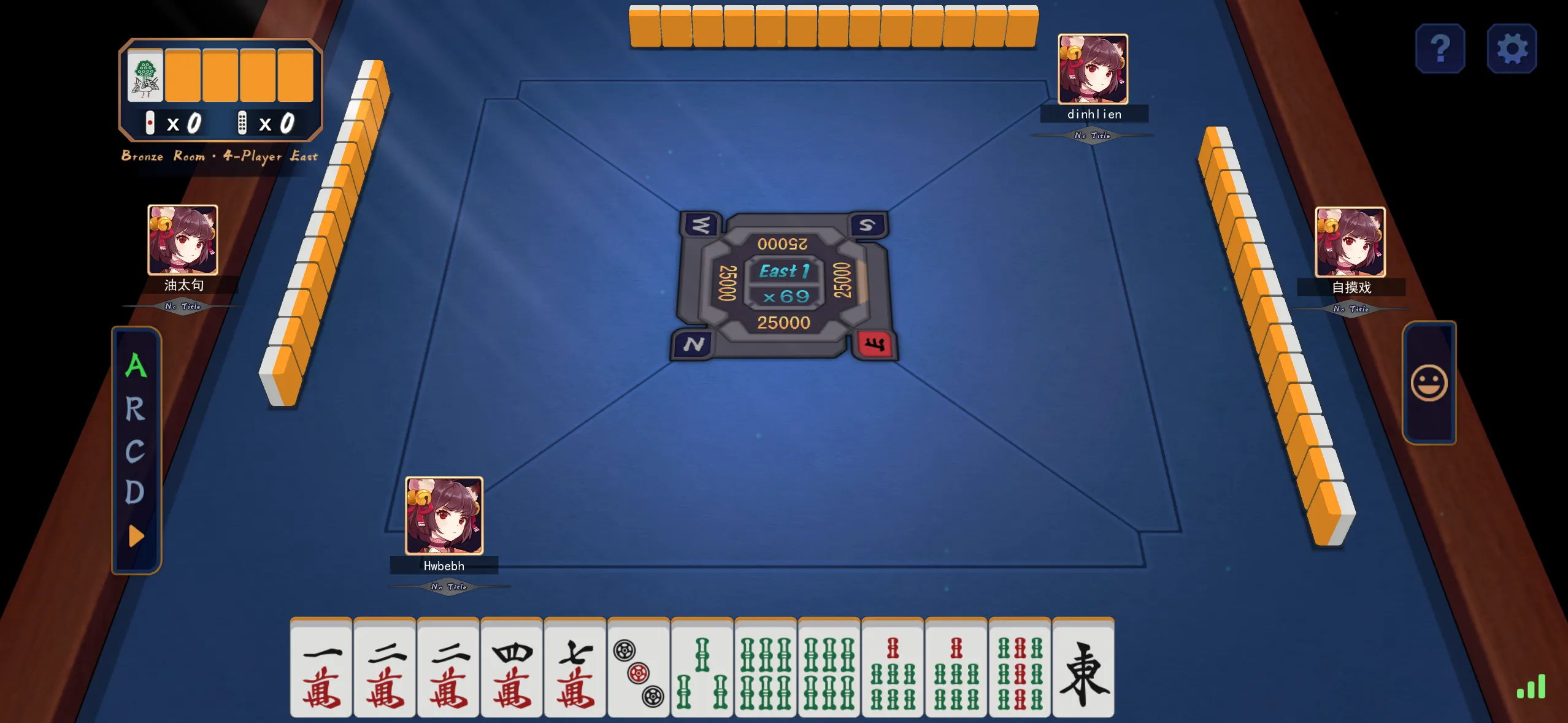
The game that brought competitive Japanese Riichi Mahjong to a global audience. Mahjong Soul combines the deep strategy of traditional four-player mahjong with anime-style characters and a polished online multiplayer experience. Ranked matches, tournaments, and a vibrant community have made it the most popular competitive mahjong platform worldwide.
Mahjong Soul is to competitive mahjong what Chess.com is to chess — the platform that made a centuries-old game accessible to a new generation. If you want to learn "real" mahjong (not solitaire), this is the place to start.
4. Mahjong Solitaire (1001 Mahjong Games / Mahjong.com)
Developer: Various (browser-based) | Available: Ongoing
Platforms: Web browser (all devices, no download)
Difficulty: Easy to medium | Price: Free (ad-supported)
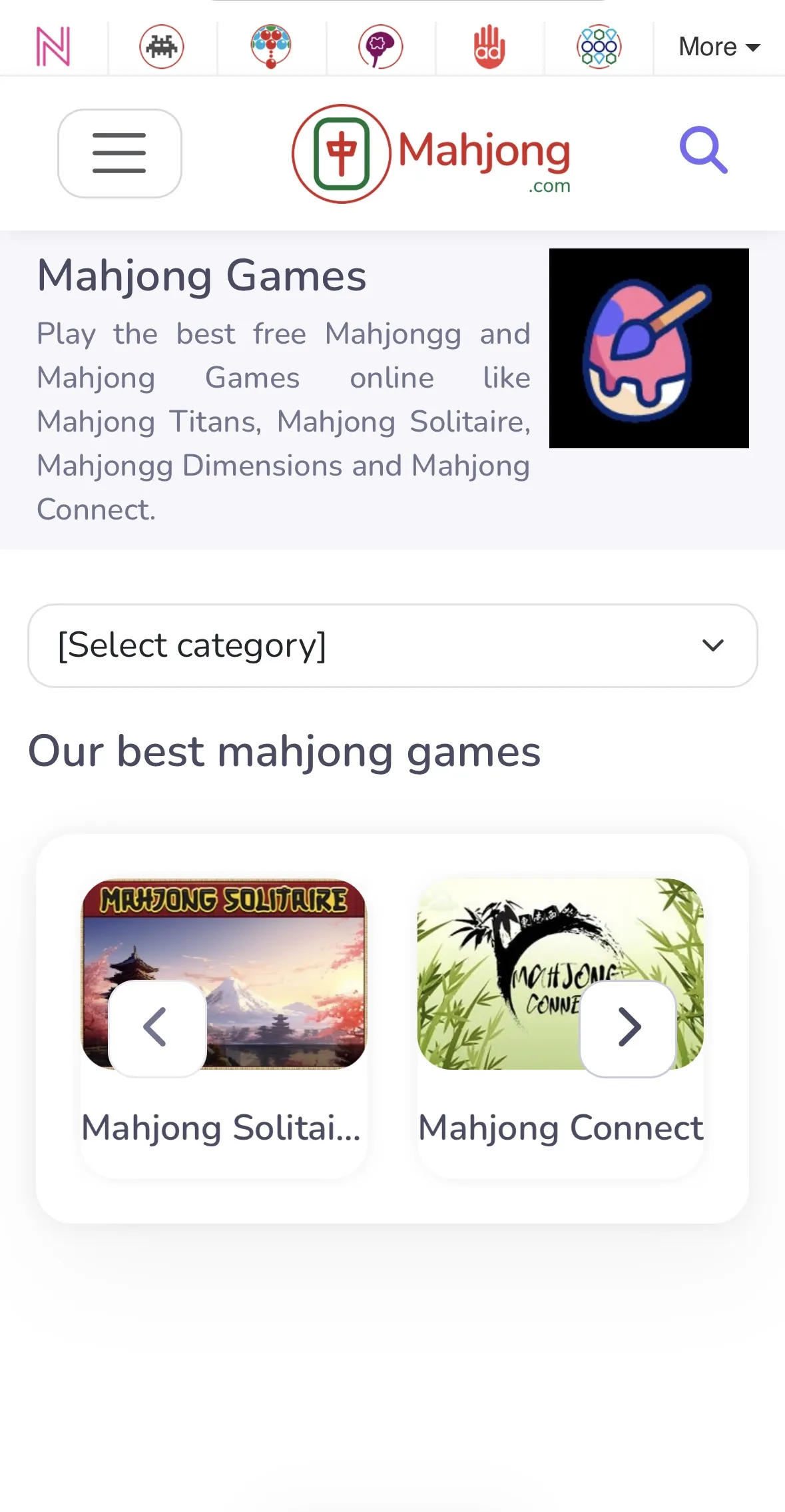
Browser-based mahjong solitaire sites collectively attract hundreds of millions of visits per year. Sites like Mahjong.com and 1001MahjongGames.com offer dozens of tile layouts, themed tile sets, and daily challenges without requiring any download or account.
For players who just want to open a tab and start matching tiles, browser mahjong is the lowest-friction option available. The zero-download model keeps these sites thriving alongside native apps.
5. Mahjong City Tours
Developer: Jam City | Released: 2018
Platforms: iOS, Android
Difficulty: Easy to medium | Price: Free (ads + in-app purchases)
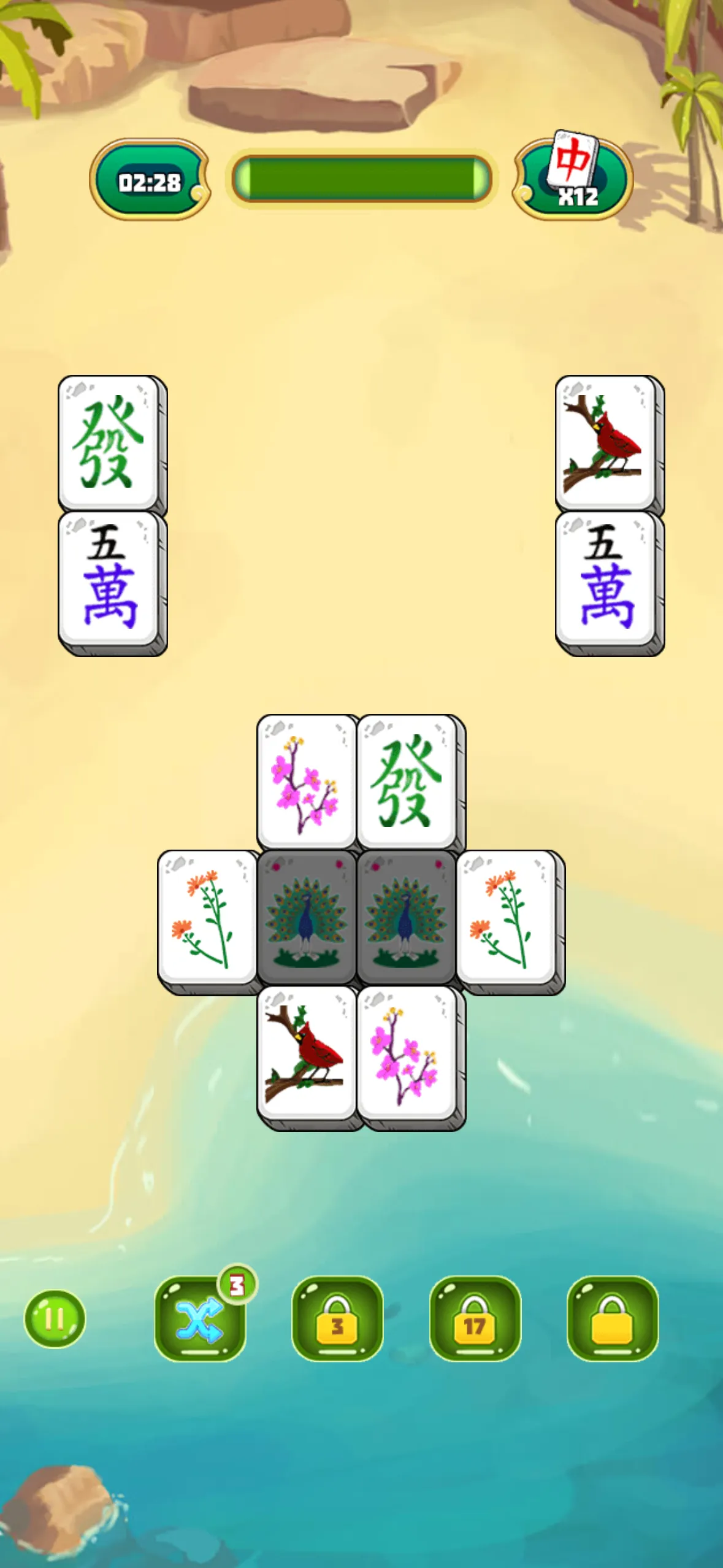
A tile-matching mahjong game wrapped in a world travel theme. Each level takes place in a different city, with increasingly complex layouts and power-ups. Mahjong City Tours adds a light progression system — unlocking new destinations — that gives casual players a reason to keep coming back beyond the core tile-matching.
With over 10 million downloads, it's one of the most popular mobile mahjong games and a good example of how classic mechanics can be refreshed with modern mobile game design.

6. MahJong Quest
Developer: iWin (originally by Game House) | Released: 2004 (original); sequels through 2008
Platforms: PC, Mac, mobile
Difficulty: Medium | Price: Paid (varies by platform)
The original narrative-driven mahjong solitaire game. MahJong Quest wrapped tile-matching in an adventure story and added power-ups, obstacles, and boss levels. It spawned several sequels and demonstrated that mahjong solitaire could support a progression-driven campaign.
MahJong Quest was a staple of early-2000s casual PC gaming alongside Bejeweled and Bookworm. Its story-driven approach influenced many of the mahjong games that followed on mobile.
7. Mahjong Ways (Slot/Casual Hybrid)
Developer: PG Soft | Released: 2020
Platforms: Web, iOS, Android
Difficulty: Casual | Price: Free (in-app purchases)
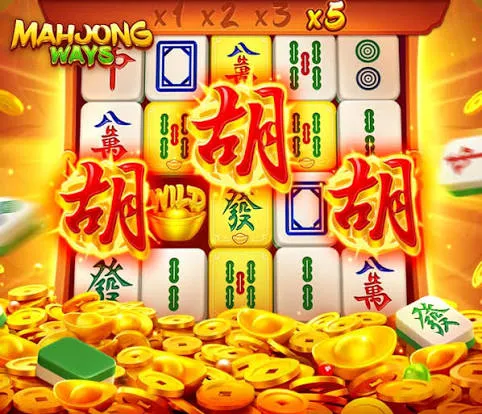
A casual gaming twist on mahjong tiles that blends tile aesthetics with match-based puzzle mechanics. While not traditional mahjong in the purest sense, Mahjong Ways represents how mahjong's visual language has expanded beyond the classic game into broader casual gaming.
Included here because it shows how widely the mahjong aesthetic has spread — the tiles themselves have become a cultural symbol that transcends the original game.
8. Kemono Mahjong
Developer: Kemono Games | Released: 2021
Platforms: PC (Steam), iOS, Android
Difficulty: Medium to hard | Price: Free (cosmetic purchases)
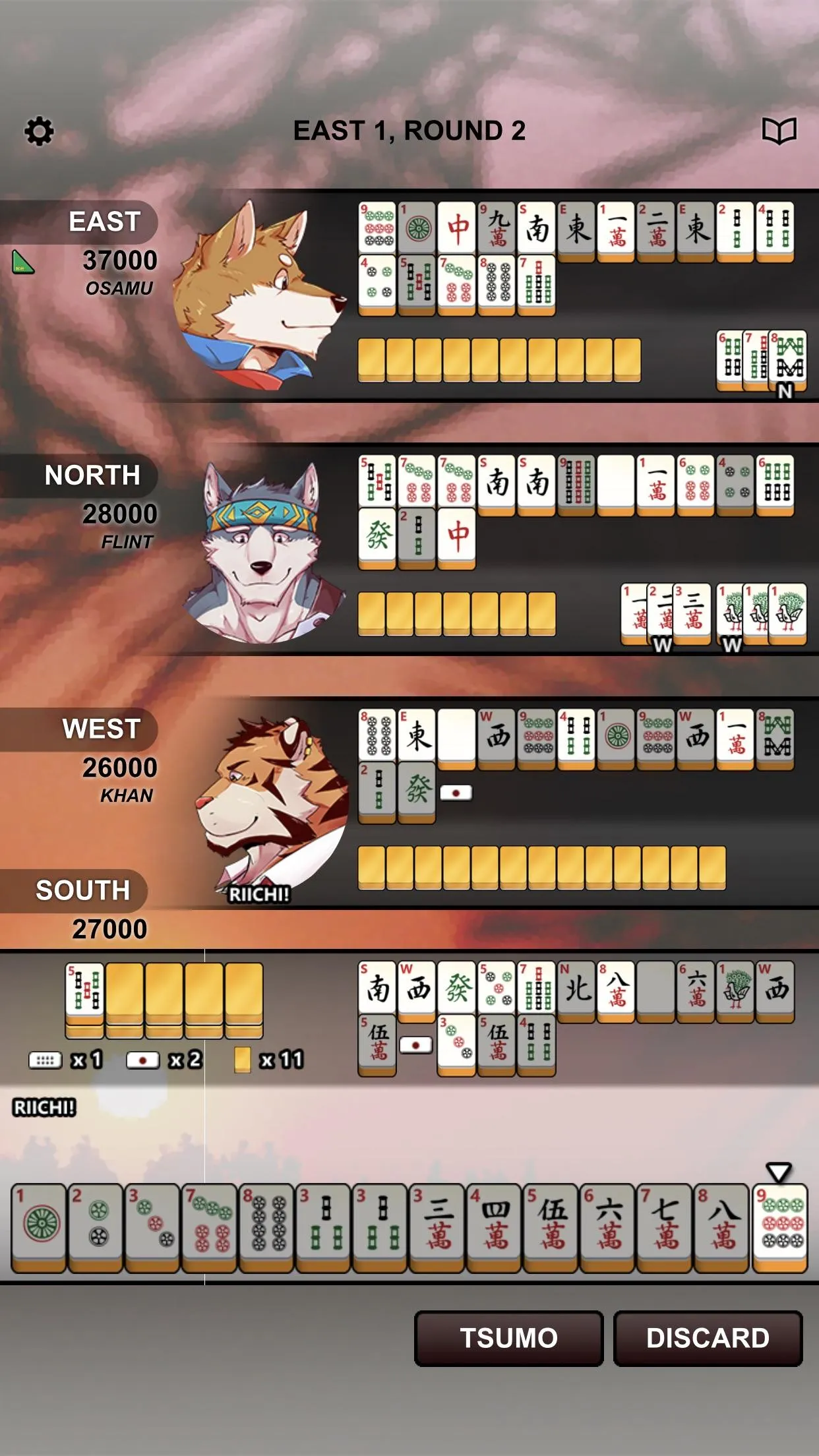
A modern take on competitive Riichi Mahjong with a cute animal character theme. Kemono Mahjong offers a gentler learning curve than Mahjong Soul while still teaching proper Riichi rules and scoring. A good stepping stone for players who find Mahjong Soul's competitive scene intimidating.
The tutorial system is particularly well-designed, walking new players through yaku (winning hand patterns) progressively rather than dumping everything at once.
9. Shanghai (Original Activision Classic)
Developer: Activision | Released: 1986
Platforms: Originally Macintosh; ported to nearly every platform of the era
Difficulty: Medium | Price: Historical (abandonware/emulation)
The game that started it all for Western players. Activision's Shanghai was the first widely successful digital mahjong solitaire game, adapting the Chinese tile-matching concept for personal computers. It introduced millions of Western players to mahjong tiles and spawned an entire genre.
Shanghai and its sequels (Shanghai II, Shanghai: Dynasty) were among the best-selling PC games of the late 1980s and early 1990s. Every mahjong solitaire game on this list traces its lineage back to this title.
10. Yakuza/Like a Dragon Series (Mahjong Mini-Game)
Developer: Ryu Ga Gotoku Studio / SEGA | Released: 2005–present
Platforms: PC, PlayStation, Xbox
Difficulty: Hard | Price: Part of full game ($39.99–59.99)
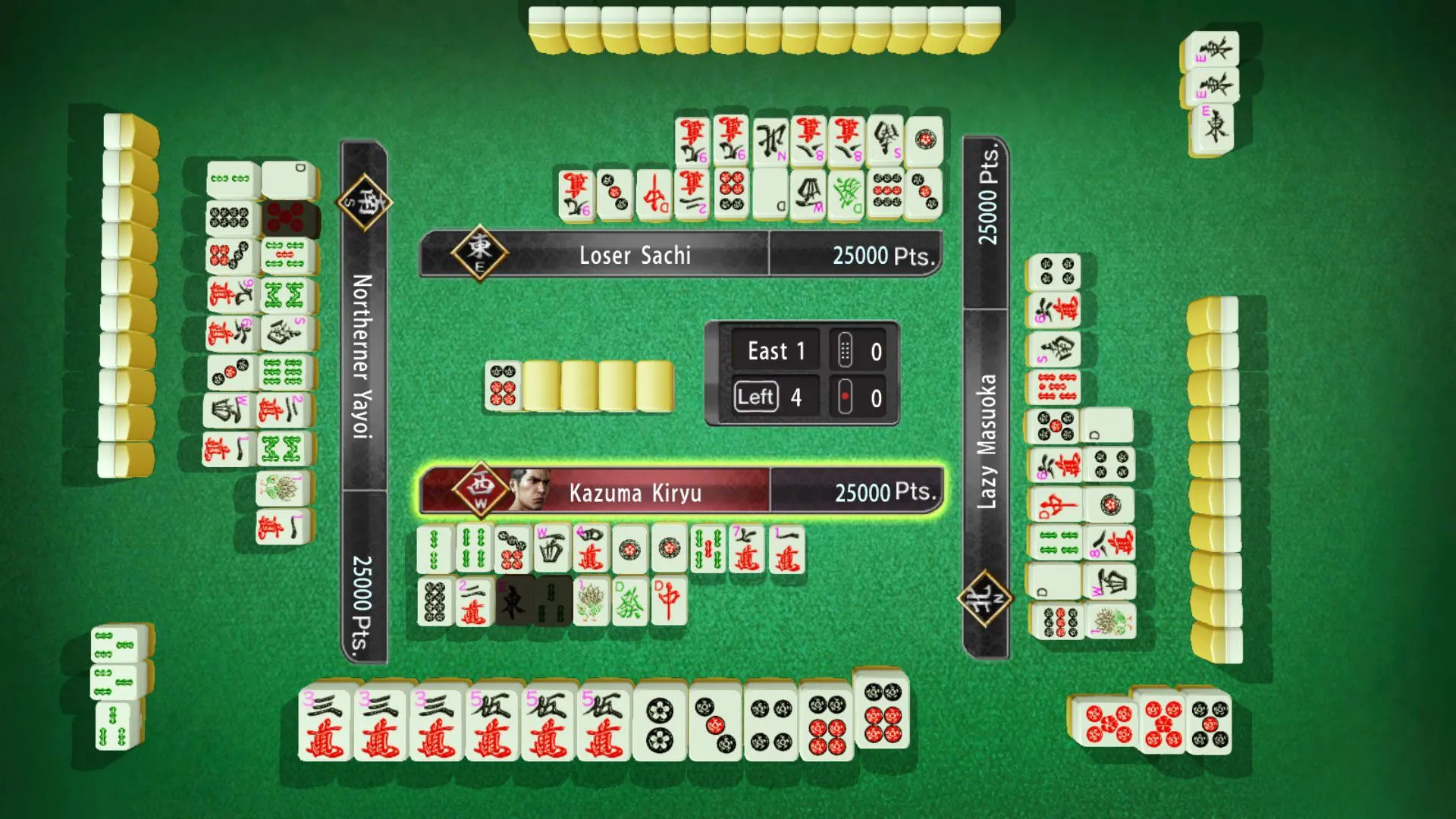
An unconventional pick — but the mahjong mini-game in the Yakuza (now Like a Dragon) series has taught more Western gamers to play competitive Japanese mahjong than perhaps any other single source. Embedded within the game's open-world crime drama, the mahjong parlor is fully featured with proper Riichi rules, and many players have reported spending more time at the mahjong table than on the main story.
The Yakuza series is a beloved gaming franchise, and its inclusion of a complete mahjong simulation has driven measurable interest in learning competitive mahjong. Reddit's r/MahjongSoul frequently credits Yakuza as the gateway.
Mahjong Solitaire vs. Competitive Mahjong: What's the Difference?
| Mahjong Solitaire | Competitive (Riichi) Mahjong | |
|---|---|---|
| Players | 1 (solo) | 4 (multiplayer) |
| Goal | Clear all tiles by matching pairs | Build winning hands before opponents |
| Skill type | Pattern recognition, spatial awareness | Strategy, probability, reading opponents |
| Best for | Relaxation, casual play | Deep competitive challenge |
| Start with | Microsoft Mahjong, browser sites | Mahjong Soul, Kemono Mahjong |
Like games that test pattern recognition? Try Pairdle — a daily word puzzle where you match letter pairs using logic and deduction.
By Tim Nye, Logic Loft Games